The Wellness Files is a health-focused podcast where we explore practical tools, research and real patient stories. We hope to inform, inspire, and connect to audiences so you can be the best version of yourself, while also asking tough questions about safety and effectiveness.
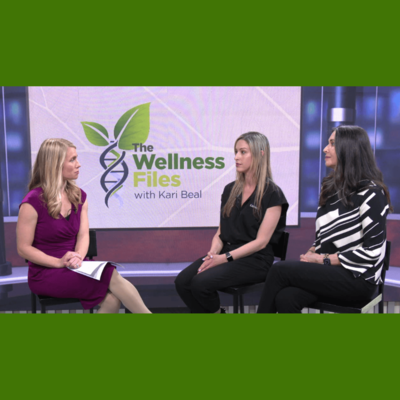
Nisha Patel thought she was “too young” for perimenopause because her labs were normal, but her mood and body told a different story. We hear from nutrition coach, Bonnie Papajohn on how to spot the real signs, advocate for yourself, and use practical nutrition and workout tweaks to feel like you again.
Sign up to attend The Wellness Files LIVE! https://app.smartsheet.com/b/form/019d96a1f3f77b339a49f323e7064032
02:15 Nisha’s symptom timeline (hot flashes, mood changes) and reluctance about HRT.
03:19 Blood test “snapshot” comes back normal; self-doubt.
03:52 Meeting Bonnie; coaching support and early wins.
06:09 Health history context (IVF, hysterectomy, surrogate).
06:33 Hormone testing options: blood vs saliva/DUTCH; tracking hormones across a day.
08:11 Bonnie’s background + menopause specialization; why midlife care is changing.
10:13 Nutrition changes: eating enough, protein/fiber goals, meal planning/real-life barriers.
12:11 Sample meals + hydration; shifting toward chicken/seafood and “colorful” salads.
14:54 Inflammation + food sensitivity: journaling, trial-and-tweak (soy/dairy/grains).
16:41 Exercise changes: strength training focus, walking/low intensity vs HIIT/cortisol.
23:20 Avoiding extremes; stress management + 80/20 approach.
26:15 Advocating for yourself: don’t accept dismissal; make specific menopause appointments; find the right provider.
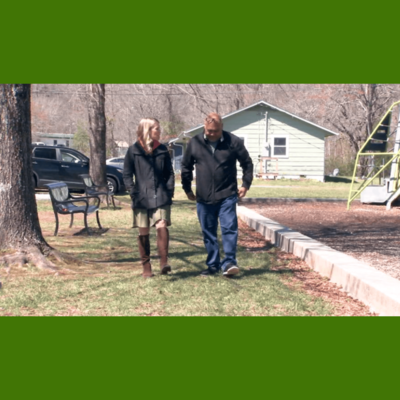
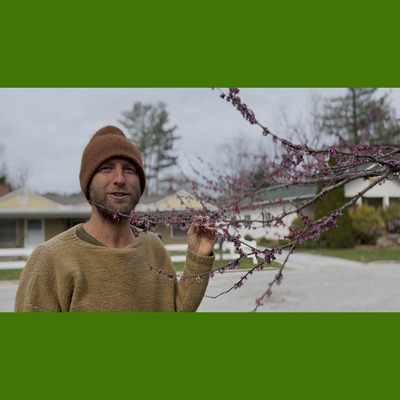
We explore regenerative agriculture, a new kind of farming where science meets sustainability and the land begins to heal itself. We'll visit Clemson University's Restoration Agriculture Farm with manager Coleman Scroggs to see its innovative practices firsthand. Then, hear from Roddy Pick of Kingbird Pastures on his journey to cultivate healthier produce. Plus, geomorphologist David Montgomery reveals surprising research on how regenerative practices could mean more mineral micronutrients, phytochemicals, and vitamins in our food.
Show notes:
[01:12.960 - 01:38.840] Clemson Farm Overview
Coleman describes the Clemson Restoration Agriculture Farm, an agroforestry demonstration farm known for its sunflowers and diverse crops.
[01:38.840 - 02:25.360] Defining Regenerative Farming
Regenerative agriculture emphasizes good soil and environmental practices, often incorporating agroforestry, without a strict definition like organic farming.
[02:25.480 - 05:00.780] No-Till & Soil Health
No-till farming avoids disturbing soil to protect vital microorganisms, which are crucial for healthy, living soil.
[05:01.020 - 07:59.620] Cover Cropping & Nitrogen Fixation
Cover crops, like clover, are planted between cash crops to feed soil biology, enhance nutrients, control weeds, and fix atmospheric nitrogen for plant growth.
[08:00.060 - 09:54.960] Reducing Synthetic Fertilizers
Cover crops naturally enrich soil, reducing the need for energy-intensive synthetic nitrogen fertilizers.
[09:55.240 - 12:22.880] Crop Rotation & Pest Control
Rotating crops (e.g., corn and soybeans) prevents pest buildup. Regenerative farms may use minimal chemicals, adapting practices annually.
[12:23.180 - 13:01.840] Roller Crimping for Weed Control
Roller crimping is a non-chemical method using cover crops to create a weed-suppressing mat.
[13:03.500 - 13:57.080] Carbon Sequestration & Integrated Livestock
Plants sequester carbon from the atmosphere. Holistic farms integrate livestock (e.g., bluebird boxes for pest control, grazing for fertilization).
[13:59.900 - 14:57.100] Clemson's Regenerative Mission
Clemson aims to demonstrate diverse, sustainable agricultural methods beyond monoculture.
[14:57.240 - 17:50.120] Clemson Farm History
The land has a rich history, from Native American farming to plantations and modern agricultural research by Clemson, situated below Lake Hartwell.
[17:51.900 - 19:58.720] Kingbird Pastures Case Study
Roddy Pick's Kingbird Pastures exemplifies regenerative farming with agroforestry, organic practices, no-till, grass-fed cattle, and a direct farm-to-table model.
https://www.foxcarolina.com/video/2025/05/02/learning-about-regenerative-ag-kingbird-pastures/
[19:59.620 - 21:09.280] David Montgomery's Research
Geomorphologist David Montgomery studied the nutritional impact of regenerative farming.
[21:09.520 - 23:02.000] Study Findings: Improved Soil & Nutrition
A pilot study showed regenerative farms had double the soil organic matter and triple the soil health score, indicating improved soil health.
https://peerj.com/articles/12848/#
[23:02.880 - 26:53.300] Nutritional Benefits: Phytochemicals
Crops from regenerative farms had higher levels of mineral micronutrients and phytochemicals (antioxidants, anti-inflammatories essential for human health).
[26:53.780 - 29:28.520] Measuring Nutrient Density & Soil Ecology
Nutrient density is the nutrient-to-calorie ratio, measured in labs. Soil ecology, influenced by farming practices, impacts nutrient content and plant health.
[29:29.520 - 33:15.820] Research Challenges & Future Outlook
Past research focused on organic vs. conventional. Future studies will explore the combined effects of regenerative practices to reduce inputs and boost nutrient density.
[33:17.020 - 35:41.100] Ancient Wisdom Meets Modern Tech
Regenerative agriculture merges traditional methods (cover crops, rotations) with modern technology (no-till at scale, precision agriculture) for economic and environmental benefits.
[35:41.260 - 39:11.380] Adaptability & Future Vision
Regenerative principles are universal and adaptable to diverse farm scales and regions. The vision is for it to become the standard, economically viable farming approach.
[39:12.500 - 41:47.580] Clemson's Agroforestry & Plant Communities
Clemson's farm meticulously plants native fruit/nut trees and shrubs in specific communities (e.g., pines and blueberries) for optimal growth and yield.
[41:47.940 - 42:25.980] Soil Health Monitoring at Clemson
Regular soil testing, including biological analysis, confirms increased soil health from Clemson's mulching and conservation practices.
[42:26.340 - 44:48.340] Small-Scale Farming Tips
For small gardens, start with low-input perennials (blueberries, mulberries) and practice crop rotation with winter crops like snow peas or carrots.
[44:49.260 - 45:59.100] Extension Offices & Compost
Local extension offices offer valuable resources for soil testing and planting advice. Compost breakdown depends on its components, also a topic for extension services.
[45:59.240 - 47:23.520] Support Local & Farmer Dialogue
Support local regenerative farms and communicate directly with farmers to understand their practices, especially regarding chemical use.