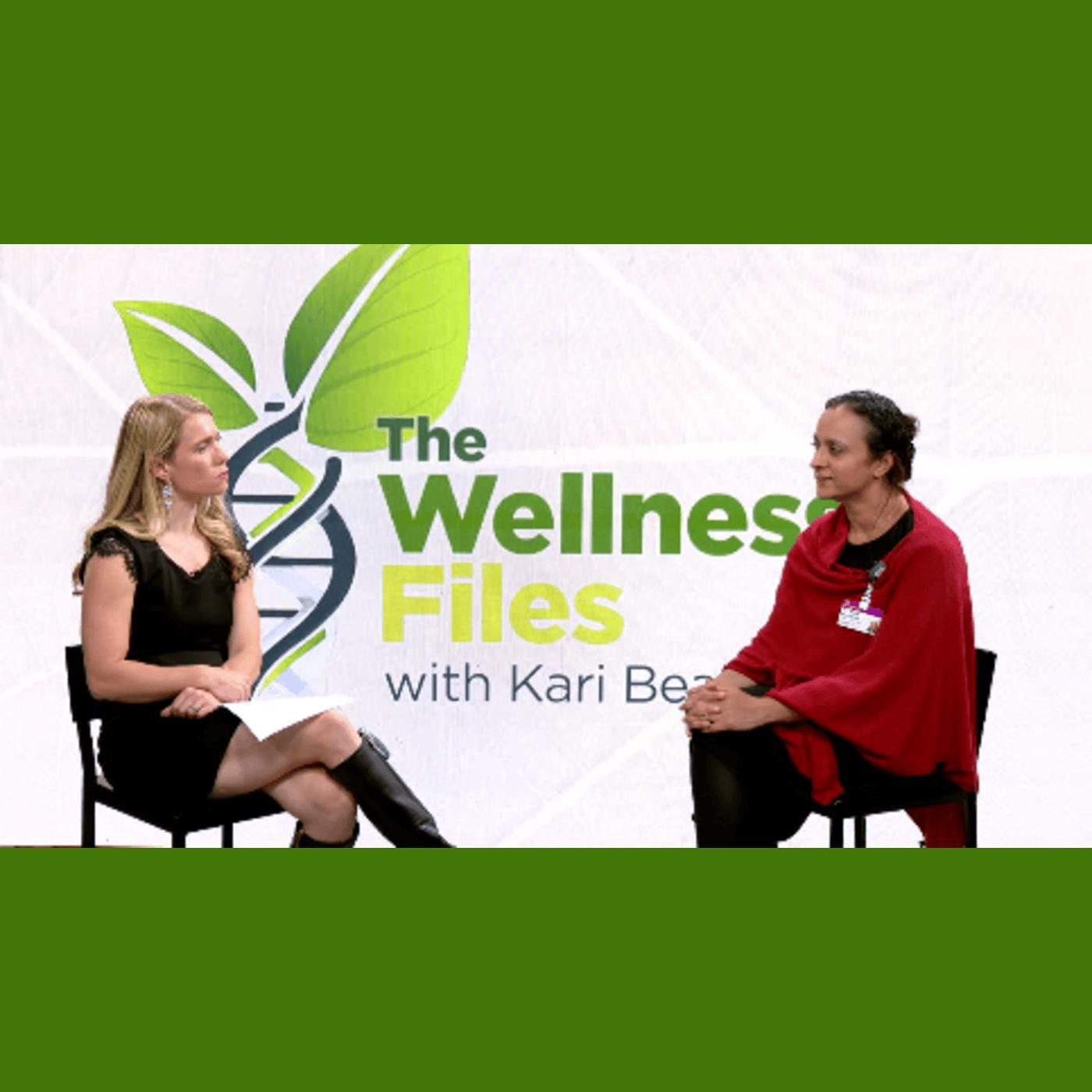
The Wellness Files with Kari Beal
Are we failing moms postpartum?
Published on Dec 3, 2025, 7:00:00 AM
Total time: 00:29:03
The Wellness Files with Kari Beal
Published on Dec 3, 2025, 7:00:00 AM
Total time: 00:29:03
Did you know that around 80% of women experience baby blues after giving birth? Many others experience postpartum depression. Host Kari Beal speaks with Prisma Health reproductive psychiatrist Dr. Neha Hudepohl about why so many mothers struggle, how common perinatal mental health conditions are, the difference between baby blues and postpartum depression, and what real support looks like at home and in health care. We hear from three patients about baby blues and postpartum depression. The episode covers universal screening during and after pregnancy, hallmark symptoms, and more.
If you are concerned about your safety or the safety of others the National Maternal Mental Health Hotline is free, confidential, and here to help, 24/7.
1-833-TLC-MAMA
https://mchb.hrsa.gov/programs-impact/national-maternal-mental-health-hotline
[01:19] How common it is. Perinatal mental health is a leading complication of pregnancy. Up to one in three are affected. Stigma and shame keep many silent.
[03:00] New parent reality. Recovery, sleep loss, emotions, and anxiety that can take over daily life for some mothers.
[05:05] Prisma Health approach. Universal screening during pregnancy and postpartum. Multiple touch points. Pediatricians are asked to check on mothers too.
[06:46] Patient story. Nicole Parmalee. Isolating early weeks, learning about pelvic floor physical therapy and other supports, starting the New Moms School with eight week expert led groups and peer community.
[09:50] Baby blues versus depression. Blues are very common and short lived in the first days to two weeks and then resolve. Depression is more persistent and impairing.
[13:46] Patient story. Cambria in Atlanta. Pandemic pregnancy and birth, heavy sadness, virtual new parent support group helped.
[16:30] Symptoms to watch. Lasting sadness, low energy, poor focus, appetite changes, insomnia even when the baby sleeps, anxiety and intrusive scary thoughts, difficulty bonding, and thoughts that the family is better without you. If you have thoughts of suicide call or text 988 for help.
[19:30] How to help a mother. Ask how she is doing, listen without judgment, reflect what you notice, offer practical support based on what she wants and needs.
[21:22] Patient story. Grace Lechtenberg in Omaha. Overwhelm without negativity toward self or baby, higher risk groups including military families, confidential care and medication helped, feeling better with time.
[25:56] Access and cost. Prisma Health accepts many insurances and can connect families with financial counseling and community resources.
[26:39] What should change. More postpartum touch points and a team approach across obstetrics, pediatrics, and primary care with clear referral paths.
[27:51] Mother Infant Wellness Program. Care for pregnant and postpartum mothers with babies present to support bonding and attachment.
[28:34] Wrap up and where to listen. Weekly release and encouragement to share and review. You are not alone and help is available.
The Wellness Files is a health-focused podcast where we explore practical tools, research and real patient stories. We hope to inform, inspire, and connect to audiences so you can be the best version of yourself, while also asking tough questions about safety and effectiveness.