The Wellness Files with Kari Beal

The Wellness Files with Kari Beal

The Wellness Files is a health-focused podcast where we explore practical tools, research and real patient stories. We hope to inform, inspire, and connect to audiences so you can be the best version of yourself, while also asking tough questions about safety and effectiveness.

rss_feed RSS Feed

Most Recent Episode

The Wellness Files with Kari Beal
Internal Sunscreen: The Foods That Help Protect Your Skin From the Sun

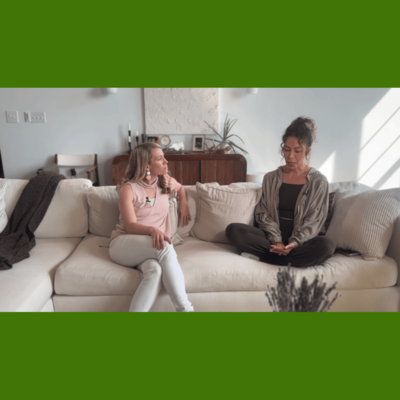
Functional medicine doctor Katherine Birchenough and nutrition coach Sarah Wilson explain the “internal sunscreen” trend, how plant pigments and certain nutrients may build up in skin and help reduce UV-related damage. They stress it’s an extra layer of defense (not a replacement for topical sunscreen) and share practical food picks, supplement options, and common sun-safety myths.

00:00 – intro
00:01 – Why summer produce matters; pigments from plants can accumulate in skin and help reflect UV rays.
00:02 – Guests’ backgrounds; nutrition as one “layer” of sun protection.
00:03 – Lycopene spotlight: tomatoes/tomato paste; studies suggest less UV redness after weeks of intake; cooked + olive oil may help absorption.
00:04 – Other lycopene foods (watermelon, red/pink produce); broader pigments: blues/purples (anthocyanins), yellow/orange (flavonoids).
00:06 – Layered protection: mineral sunscreen, clothing, hats/scalp protection.
00:08 – Supplements: lycopene; Polypodium leucotomos (fern extract/Heliocare); repair support like nicotinamide (B3).
00:10 – Omega-3s for cell membranes; astaxanthin (seafood) for antioxidant support + “glow.”
00:13 – Vitamins C & E for collagen/antioxidant repair.
00:14 – Myth-busting: tans aren’t enough; clouds still burn; darker skin can burn; timing + daily face/hand SPF; driving-side sun damage.
00:16 – Takeaways: eat the rainbow—brighter/darker pigments = better.

00:18:06
Jul 30, 2026 8:56 AM
Clean

More Episodes

The Wellness Files with Kari Beal
Should the Military Screen Testosterone Levels? An Endocrinologist Explains

Defense Secretary Pete Hegseth announced a new testosterone-deficiency screening program for service members, but endocrinologist and former military doctor Dr. Karl Nadolsky says the science doesn’t support universal testing in people without symptoms. In this episode, we break down who should be evaluated, why obesity/sleep apnea and certain injuries or medications can lower testosterone, and what risks come with unnecessary testosterone replacement therapy (including infertility).

00:00 intro
00:01:00 Meet Dr. Karl Nadolsky (endocrinologist, former military physician)
00:02:02 Full clip: Pete Hegseth explains annual testing for 30+; optional under 30
00:04:31 What testosterone does/doesn’t do for performance; who truly benefits from TRT
00:05:30 How common is “true” hypogonadism vs functional low T (obesity/sleep apnea/diabetes)
00:06:48 Why widespread screening isn’t recommended; lack of evidence for better outcomes
00:08:44 Medication/injury causes: opioids, TBI, blast/testicular trauma; why targeted screening fits
00:11:59 Main risks: false positives, wrong timing/conditions for labs, unnecessary anxiety/cost
00:13:38 Proper workup: treat root causes first; don’t miss pituitary disease or sleep apnea
00:14:06 TRT tradeoffs: fertility suppression, potential long-term dependence; steroid/male-clinic pitfalls
00:16:16 Women and testosterone: testing mostly for high levels; limited menopause libido use
00:19:29 Military endocrinology + why expert input/task force matters for policy
00:22:15 Practical alternative: checkbox-based risk triggers and symptom screening at annual physicals
00:23:34 Closing: keep politics out; follow data and build evidence-based protocols

00:26:05
Jul 22, 2026 9:31 AM
Clean
The Wellness Files with Kari Beal
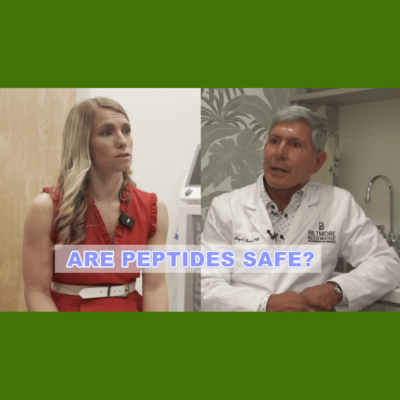
Are Peptides Safe? What a doctor Says About BPC-157, TB-500, and Buying Peptides Online

Host Kari Beal interviews Dr. George Ibrahim about the surge in peptide use for injury recovery, energy, weight loss, and more, plus why many peptides aren’t FDA-approved and have limited human data. They break down common peptides (BPC-157, TB-500, CJC-1295/ipamorelin), discuss safety and cancer/angiogenesis concerns, and explain why buying “research peptides” online can be risky.

00:00 intro
00:01 BPC-157 & TB-500 explained (repair/cleanup crews); angiogenesis + cancer concern setup.
00:03 What a peptide is; how structure drives function (key/receptor).
00:05 Evidence overview (animal vs limited human); why combine BPC-157 + TB-500.
00:07 Safety in practice: “peptide flush” and minor reactions.
00:08 Cancer-risk discussion; screening for cancer history.
00:10 Quality control: pharmacy “human-use” vs online “research” peptides; contamination/dosing risks.
00:12 How to tell: if you can buy it yourself online, it’s not human-use.
00:14 “Best” peptide pick: CJC-1295 + ipamorelin; growth-hormone support + realistic timeline.
00:17 Cost estimates; prioritizing hormones, then GH support.
00:18 Why few human trials (patents/funding).
00:20 FDA/compounding outlook; regulation and safety hopes.
00:22 Social media hype; questions to ask a doctor; special cautions (GLP-1s, tanning peptides).
00:24 More peptide uses (GHK-Cu for brain + hair/skin/nails); closing + correction (“endotoxins”).

00:26:39
Jul 14, 2026 4:50 PM
Clean
The Wellness Files with Kari Beal
How close are we to a cure for Hunter Syndrome?

A new FDA-approved treatment for Hunter syndrome (MPS II) is giving families hope, but it’s not a cure. We explore how close researchers may be to a cure, including promising gene therapy clinical trials, and what experts say still needs long-term study.

00:00 intro
00:45 How this story began: a mom reaches out about newly approved Avlayah.
01:03 Why it matters: therapy designed to cross the blood-brain barrier.
01:20 The emotional center: two moms bond while navigating the same diagnosis.
02:23 Hunter syndrome (MPS II) explained: missing enzyme, sugar buildup, organ/brain damage.
03:40 How the “next-gen” enzyme replacement works using an enzyme transport vehicle.
04:16 Early impact: reported behavioral/physical improvements and infusion-center support.
05:36 “Not a cure” → what a cure could look like; intro to gene therapy.
06:23 London trial spotlight: one-time ex vivo gene therapy; early (anecdotal) improvements. https://www.gosh.nhs.uk/news/gosh-manufactures-new-gene-therapy-for-rare-condition/
08:01 U.S. clinical trial in New Jersey: timelines and what’s still unknown. https://clinicaltrials.gov/study/NCT07236606
08:48 Physician Assistant Laura Buch: long-term durability, dosing questions, and rare-disease trial limits.
10:03 Advocacy + how to find trials on ClinicalTrials.gov; closing thoughts.
https://clinicaltrials.gov/study/NCT03566043

00:11:13
Jul 8, 2026 8:0 AM
Clean
The Wellness Files with Kari Beal
Psychedelic Therapy: Why so many patients are asking for the option

The federal government is fast-tracking some psychedelic-based medicines for research and development. Emergency physician Dr. Jonathan Leak explains how these therapies may work in the brain and if they’re safe.

00:00 — Fire captain recounts suicidal crisis; psilocybin changes his outlook and family life
00:36 — Intro: what psychedelics might do (neurotransmitters/neuroplasticity) and the safety question
00:54 — Why now: executive order to speed development; focus on treatment-resistant depression, PTSD, addiction
01:23 — Arizona psilocybin trial for first responders; content warning for sensitive topics
02:05 — Mark Herman’s story: chronic trauma, “fight or flight,” and seeking relief
03:01 — Research barriers from past criminalization; trial details and demand/waitlist
04:22 — Career risks/stigma for officers; underground use; dosing and safety concerns
05:01 — Black market concerns; funding push; hopes for right-to-try and guardrails as access expands
07:20 — Interview begins: Dr. Leak’s credentials; ketamine currently used in psychedelic therapy
08:15 — What drugs are discussed: psilocybin, ibogaine, methylone/MDMA
09:00 — Evidence/history; why these may help PTSD, depression, addiction
10:53 — How they may work: receptors + neuroplasticity + psychedelic experience; importance of therapy integration
12:36 — Brain connectivity shifts; new pathways; how psilocybin is dosed and how long sessions last
15:01 — Patents/formulations; molecule tweaks vs process patents
16:02 — MDMA/methylone differences; trauma processing and study outcomes; need for certified care
18:08 — Clinic model questions; side effects, monitoring, and scaling sessions safely

00:22:23
Jul 1, 2026 12:0 AM
Clean
The Wellness Files with Kari Beal
Musician Carnie Wilson Talks Tardive Dyskinesia (TD): Signs, Stigma, and Getting Diagnosed

Musician Carnie Wilson is raising awareness about tardive dyskinesia (TD), an uncontrolled movement disorder that often goes undiagnosed. She shares why she’s advocating for screening, how stigma can keep people silent, and where listeners can find support and resources. 

00:00 – intro
00:01:05 – What TD is: common symptoms (face/lips, chewing-like movements, eye twitch).
00:01:29 – Main cause: dopamine receptor–blocking meds (often antipsychotics); risk factors + generations of meds.
00:02:21 – Why TD is missed: many cases undiagnosed; importance of recognizing symptoms.
00:02:42 – Carnie on speaking up, getting screened, and how diagnosis can change lives.
00:04:53 – “Connecting with Carnie” campaign + where to find resources (connectingwithcarney.com).
00:05:24 – Bell’s palsy story as a way to relate to visible conditions and shame/stares.
00:07:10 – What helps diagnosis: noticing changes, telling your healthcare provider, rejecting shame.
00:09:33 – How TD impacts daily life (driving, sleep, leaving home) + real patient stories.
00:10:17 – Carnie on depression/addiction, stigma, and checking in on mental health.
00:14:23 – Medication/research question; Carnie points listeners back to medical resources.
00:16:18 – Why this cause matters to her: family experience with mental illness + compassion.
00:19:10 – Specific symptoms to watch for + encouragement to seek help.
00:20:30 – Final call to visit the campaign site; thanks and outro. 

00:21:57
Jun 18, 2026 11:3 AM
Clean
The Wellness Files with Kari Beal
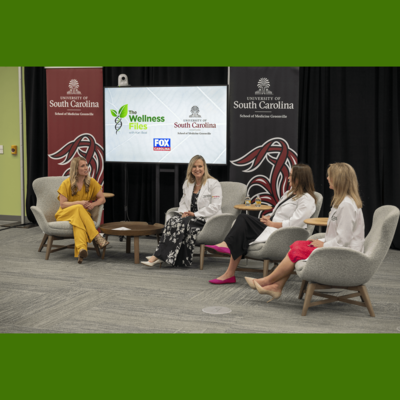
Live at USC School of Medicine Greenville: The 6 Pillars of Lifestyle Medicine, Explained

USC School of Medicine Greenville experts break down lifestyle medicine and the evidence behind its “six pillars.” They discuss how food, exercise, sleep, stress management, social connection, and avoiding risky substances can improve chronic disease outcomes—and even support brain health in depression, Alzheimer’s risk, and more.

00:00 Intro
00:47 Welcome + live event at USC School of Medicine Greenville
02:10 Guest intros: Dean/primary care, neuroscientist, lifestyle program director
03:00 Why lifestyle medicine matters in med school + patient care
07:27 Real-life examples: hypertension, sodium, “food as medicine” (beets/flax)
09:13 Exercise & depression: blood flow, muscle-brain signaling, BDNF
12:35 Brain health + dementia risk: six pillars may slow cognitive decline
14:05 Parkinson’s study: tandem cycling benefits patients + caregivers
14:49 Curriculum: 109+ hours integrated across 4 years
15:51 Gut-brain connection: microbiome, fiber, ultra-processed foods
19:03 Social connection: loneliness, group care, “social capital”
22:21 Lifestyle vs functional medicine; the six pillars defined
23:40 Supplements + misinformation; magnesium; third-party testing (USP)
26:02 How to vet health info online (“too good to be true”)
29:02 Audience Q&A: antidepressants timeline; exercise outdoors
31:06 Motivation strategies: small goals, remove barriers, prioritize sleep
32:27 Organic vs frozen produce: cost-effective options + washing
35:07 Exercise guidelines by age + strength training + bone health
38:05 Cooking skills: culinary medicine + mobile teaching kitchen

00:49:43
May 27, 2026 12:13 PM
Clean
The Wellness Files with Kari Beal
News anchor Tori Carmen talks recovery, resilience, and lifestyle changes one year after brain cancer

After a seizure led to the discovery of a brain mass, FOX Carolina news anchor Tori Carmen shares the whirlwind from surgery to an unexpected malignant diagnosis and how recovery has challenged her physically and emotionally. One year later, she explains the tools that helped her cope (therapy, nature, faith, community) and the lifestyle shifts she’s made to support long-term health.

00:00 Intro
02:23 Seizure night, ER trip, CT scan, loss of right-side function.
04:12 Tumor location/size; next steps; wedding plans change; surgery set at Northwestern.
05:28 Meningioma explained; surgery + early recovery; can’t drive; pathology surprise.
07:23 Grade 3 malignant diagnosis; neuro-onc/radiology consults; choosing gamma knife.
10:18 Radiation day + side effects; returning to work; hair loss grief/identity shift.
13:18 Ongoing MRIs; seizure meds; rebuilding strength; stress on body/mind.
14:27 Coping tools: therapy, walks, nature, prayer, dogs; purpose + advocacy.
16:17 “Be kind” message; invisible battles; connection and support systems.
22:28 New normal: rest, boundaries, saying no; redefining productivity.
26:07 Staying active: weighted-vest walks, Pilates, shorter workouts; heat sensitivity.
28:05 Nutrition/toxin reduction: local/organic, baking soda wash, fewer plastics/chemicals.
28:50 Giving up alcohol; mocktails; better sleep/skin/gut.
34:04 Western + functional medicine balance; tests, supplements, inflammation focus.
38:20 Birth control + meningioma discussion; hormone caution + research.
41:18 Migraine scare + ER fear; stress triggers; clear MRI.
44:27 Fear of recurrence; faith + focusing on the present; advice to others.

00:50:34
May 20, 2026 2:36 PM
Clean
The Wellness Files with Kari Beal
X Ambassadors keyboardist Casey Harris on blindness and the Vision Through Music Program

X Ambassadors keyboardist and Grammy-winning musician Casey Harris shares what it’s like living with Leber’s congenital amaurosis and how learning music by ear shaped his career. He also explains why he partnered with Vision Through Music to connect blind and visually impaired kids with trained music teachers and why more educators are urgently needed.

Vision Through Music: https://childrenseyefoundation.org/what-we-do/vision-through-music/
Sign up for The Wellness Files event: https://www.foxcarolina.com/2026/05/04/join-our-live-event-learn-about-lifestyle-medicine

00:00 Intro
01:02 Host welcome; Wellness Files live event + where to watch featured story
01:58 Casey’s role with X Ambassadors + Vision Through Music partnership overview
02:30 Quick tangent: screens/eye health takeaway
03:24 Casey’s upbringing in Ithaca, NY; music-filled home and early lessons
05:30 Mentors/teachers + learning to play by ear; jamming as “wordless” communication
08:24 Early recording/producing at home; building bands with friends/brother
09:49 What his vision is like; adapting to dark venues and fully blind workflows
11:46 Ear training/transcription vs. sheet music; how it shaped his musicianship
13:21 Diagnosis: Leber’s congenital amaurosis + Senior-Løken syndrome; importance of aides/teachers
14:57 Vision Through Music mission: matching/training teachers for blind/low-vision students
18:20 More blind musicians he’s met; piano tuning program experience
20:00 Call to action: need teachers (incl. Carolinas); virtual training/resources
22:19 Why music is empowering for disability community; confidence and purpose
24:35 Wrap-up + links/resources; where to follow the podcast/host

00:26:21
May 13, 2026 10:3 AM
Clean
The Wellness Files with Kari Beal
Should We Put Fluoride in Our Drinking Water? (Part 2)

A groundbreaking randomized trial in Kinston, North Carolina is testing fluoridated vs. non-fluoridated water in young children to produce the most rigorous evidence yet on fluoride’s real-world benefits today.  

00:00 Intro
01:01 Quick history setup: how fluoridation began and why it became widespread.
01:20 Early clues: mottled teeth but fewer cavities; investigators suspect water.
01:40 Fluoride identified in water; dental fluorosis linked to high levels.
02:13 Grand Rapids becomes first to fluoridate; endorsements follow.
02:38 UNC dentistry expertise and an under-the-radar, ongoing study.
03:33 Kinston removes fluoride—setting up the WaterBeST Treatment Study.
03:52 Observational vs. randomized research and why randomization matters.
04:31 Study design: 200 families, blinded fluoridated vs. non-fluoridated bottled water.
04:53 Measuring total fluoride exposure via toenail clippings.
05:21 Potential expanded outcomes (e.g., IQ) if funded; results expected 2029.
06:34 How fluoride’s cavity-prevention benefit has changed; biggest gains for low-income families.
07:20 Promo: live event on lifestyle medicine (May 21, 2026) + wrap-up. 

00:08:15
May 6, 2026 12:12 PM
Clean
The Wellness Files with Kari Beal
Should We Put Fluoride in Our Drinking Water? (Part 1)

Cities across the U.S. are battling over a question that hits close to home: what’s really in your tap water and what could it mean for kids? In Part 1, host Kari Beal goes on the road to investigate fluoride fears concerns, breaking down the latest science on thyroid markers, IQ findings, and why dosage matters, with a leading researcher explaining what we know (and what we still don’t).

RSVP for The Wellness files live here: https://app.smartsheet.com/b/form/019d96a1f3f77b339a49f323e7064032

Studies:
Thyroid: https://pmc.ncbi.nlm.nih.gov/articles/PMC11003687/
IQ: https://ntp.niehs.nih.gov/research/assessments/noncancer/completed/fluoride
IQ: https://twin-cities.umn.edu/news-events/fluoride-drinking-water-does-not-harm-childrens-iq

00:00 Tap water question; why fluoride is controversial
00:00:37 Welcome + episode setup (broadcast story format)
00:01:21 Brevard, NC intro; notable choice: no fluoride in tap water
00:02:03 Parent/council member Maurice Jones shares child health concerns
00:02:26 Hypothyroidism explained; why fluoride studies worry some families
00:02:58 Expert interview: USC chemist Susan Richardson explains fluoride basics
00:03:24 Benefits at low levels; risks of too much (fluorosis)
00:03:48 EPA level (0.7 mg/L); thyroid review discusses higher exposures (~2.0 mg/L)
00:04:24 2025 IQ meta-analysis: higher levels (>1.5 mg/L) linked to small decrease; limits noted
00:05:09 “How much water?” Dose matters; bottled water as an option if concerned
00:05:36 Topical vs swallowed fluoride; toothpaste use in Jones’ family
00:06:11 What’s next: how removing fluoride affects dental health; providers decline due to politics
00:06:38 Host adds study context + new IQ study update; links mentioned
00:10:05 How to find your local water quality report + fluoride levels
00:11:07 Toothpaste backwash + kid toothpaste guidance; host’s personal note
00:12:22 Preview Part 2: higher-quality NC randomized study using toenail clippings


00:14:11
Apr 29, 2026 9:36 AM
Clean
The Wellness Files with Kari Beal
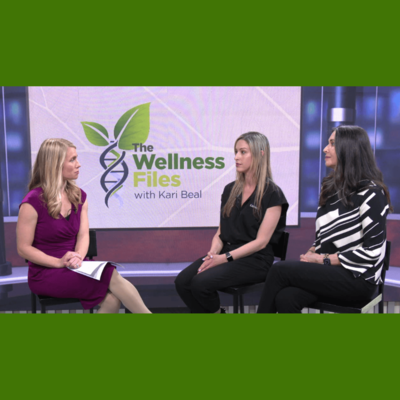
“I Thought I Was Losing It”: Nisha Patel’s Perimenopause Wake-Up Call—and the Simple Changes That Helped

Nisha Patel thought she was “too young” for perimenopause because her labs were normal, but her mood and body told a different story. We hear from nutrition coach, Bonnie Papajohn on how to spot the real signs, advocate for yourself, and use practical nutrition and workout tweaks to feel like you again. 

Sign up to attend The Wellness Files LIVE! https://app.smartsheet.com/b/form/019d96a1f3f77b339a49f323e7064032

02:15 Nisha’s symptom timeline (hot flashes, mood changes) and reluctance about HRT.
03:19 Blood test “snapshot” comes back normal; self-doubt.
03:52 Meeting Bonnie; coaching support and early wins.
06:09 Health history context (IVF, hysterectomy, surrogate).
06:33 Hormone testing options: blood vs saliva/DUTCH; tracking hormones across a day.
08:11 Bonnie’s background + menopause specialization; why midlife care is changing.
10:13 Nutrition changes: eating enough, protein/fiber goals, meal planning/real-life barriers.
12:11 Sample meals + hydration; shifting toward chicken/seafood and “colorful” salads.
14:54 Inflammation + food sensitivity: journaling, trial-and-tweak (soy/dairy/grains).
16:41 Exercise changes: strength training focus, walking/low intensity vs HIIT/cortisol.
23:20 Avoiding extremes; stress management + 80/20 approach.
26:15 Advocating for yourself: don’t accept dismissal; make specific menopause appointments; find the right provider. 
00:30:11
Apr 22, 2026 1:29 PM
Clean
The Wellness Files with Kari Beal
This is why your skin breaks out every spring: Seasonal allergies

Host Kari Beal talks with functional medicine physician Dr. Katherine Bircheough and esthetician Kim Manganella about how seasonal allergies can show up on your skin, not just your sinuses.

00:25:21
Apr 8, 2026 4:0 AM
Clean
The Wellness Files with Kari Beal
Robin Greenfield on Foraging 100% of His Food

Host Kari Beal joins activist and forager Robin Greenfield on a Hendersonville greenway to sample wild edibles and unpack what it means to eat (and live) in closer connection with the earth. Greenfield shares how he reprogrammed his mindset away from consumer culture and even his views on aging and death.

01:42 Homemade, compostable clothing/footwear + living without plastic
03:05 Background: leaving a marketing career to live sustainably
04:56 Foraging on the greenway: dead nettle; “weeds” as a human concept
08:05 Wild onions as an easy starter plant; harvesting/preserving food
10:30 Black walnuts + seasonal foraging
11:18 Food safety + tasting dock; how to cook wild greens
13:44 Foraging meat (roadkill framing), fishing, starches (yams)
14:21 Doctor/dentist check-in: body comp + natural dental routine
15:33 Another edible (pepper/winter cress) + flavor talk
18:04 Tips for beginners: learn one plant at a time; dandelion/rose/grape list
21:10 How he learned; building a 100% foraged diet over time
22:50 Money/fame: living below poverty line; attention “for the earth”
26:11 Vasectomy/choosing no kids/marriage to enable activism risks
28:24 Travel + community support; staying with strangers/friends
32:46 “Reprogramming the mind,” discomfort, aligning actions with beliefs
35:57 Retirement, aging, death: community + acceptance of impermanence
39:11 Closing questions for listeners: life you want + beliefs vs actions

00:40:46
Apr 1, 2026 4:0 AM
Clean
The Wellness Files with Kari Beal
Glyphosate: Cancer Concerns, Farm Policy and How to Cut Exposure

Glyphosate is the most widely used herbicide in the U.S., but some recent studies find it's associated with cancer. Boston College pediatrician and researcher Dr. Philip Landrigan breaks down the science,  recent policy changes, and practical steps to lower exposure.

00:02 What glyphosate is, where it’s used, and how people are exposed (farmers + food supply).
00:03 Scale of use: ~90% of U.S. corn and soy treated; why it became widespread with GMO crops.
00:05 Global Glyphosate Study explained (Ramazzini Institute; realistic dose ranges).
00:07 Study results: tumors across sites; leukemia stands out; dose-response and “zero” in unexposed rats.
https://pubmed.ncbi.nlm.nih.gov/40490737/
00:09 Prenatal + lifelong exposure design; early-life leukemia finding (40% of cases within first year).
00:10 How findings compare to human data (lymphoma associations in occupational exposure).
00:12 Mechanisms discussed: oxidative stress as a pathway toward cancer.
00:14 Executive order + balancing economics/national security vs. public health; alternatives emerging.
00:16 Regenerative/organic farming as potential paths away from heavy herbicide reliance.
00:18 How to reduce exposure: USDA certified organic; drinking water testing/removal; urine testing (AMPA).

00:21:33
Mar 25, 2026 9:51 AM
Clean
The Wellness Files with Kari Beal
Alcohol Part 2: Cancer Risk, PFAS “Forever Chemicals,” Wine Myths, and the Alcohol Flush Gene

Yale public health researcher Dr. Vasilis Vasiliou explains how alcohol raises cancer risk and why risk can depend on genetics, dose, and other exposures in your environment. The conversation also breaks down alcohol flushing syndrome, the “red wine is healthy” myth, and emerging concerns about PFAS (“forever chemicals”) interacting with alcohol.

01:22:05
Mar 18, 2026 4:0 AM
Clean
The Wellness Files with Kari Beal
Sober Curious Mom: How Ditching Nightly Wine Transformed Ashley Howard’s Life

Life coach and mom Ashley Howard opens up about how her nightly “wine on the couch” habit turned into emotional dependence and the Halloween scare that pushed her to go alcohol-free. Ashley shares how sobriety reshaped her parenting, friendships, fitness goals, and why cutting back on alcohol can be a powerful health decision.

01:40 – Growing up drinking, becoming a mom, and living in the fitness world
02:30 – Feeling emotionally dependent on alcohol despite being “healthy”
04:25 – Dry January, sober curiosity, and taking small breaks from drinking
05:31 – Telling her husband, clearing the house, and starting 75 Hard
06:46 – Mindset shifts: seeing wine as a barrier, not a reward
07:33 – Rebuilding a social life without alcohol and changing friendships
09:08 – Navigating nights out when others still drink
10:00 – The night she couldn’t remember putting her daughter to bed
11:20 – Parenting sober and feeling the full range of emotions
12:26 – Sharing her story honestly on social media and losing the shame
14:16 – Three years sober and entering a global fitness competition
https://mshealthandfit.com/2026/ashley-howard
15:27 – Her advice on cutting back, denial, and examining your habits
16:25 – Alcohol as a carcinogen and rising awareness about health risks
https://ysph.yale.edu/news-article/the-link-between-alcohol-and-cancer/
18:17 – Family losses, addiction, and choosing a different path
19:10 – Using her platform to show you don’t need rock bottom to change

00:20:18
Mar 11, 2026 10:18 AM
Clean
The Wellness Files with Kari Beal
Can we prevent breast cancer? The promising new clinical trial with a vaccine.

A new clinical trial at the Cleveland Clinic may be preventing triple-negative breast cancer from recurring. And it could also help those with the BRCA-1, BRCA-2 genes. Patient Chase Johnson and Anixa Biosciences CEO, Dr. Amit Kumar, explain.

00:02:17 — Chase’s treatment path (chemo, surgery, radiation, oral chemo) and why she pursued added protection.
00:03:37 — Trial logistics: waitlist, eligibility timing, travel to Cleveland, scans, and enrollment.
00:04:51 — What the vaccine shots were like (3 injections, spaced 2 weeks apart).
Study: https://consultqd.clevelandclinic.org/breast-cancer-vaccine-moves-one-step-forward
00:05:31 — Side effects and why an immune response is considered expected.
00:06:34 — Recurrence timing stats and the significance of the 5-year milestone.
00:07:33 — Dr. Kumar explains the vaccine concept and alpha-lactalbumin target.
00:10:10 — Trial status: phase one complete; phase two planning with more sites nationwide.
00:11:22 — Potential rollout path: treatment, recurrence prevention, then prophylactic use.
00:13:33 — Pregnancy/breastfeeding considerations: likely impacts milk production, not fertility.
00:14:34 — Chase’s post-vaccine peace of mind; immunotherapy as the future.
00:15:13 — Chase’s dog helped detect the lump; self-advocacy when dismissed as “too young.”
00:19:40 — Why TNBC is hard to treat (no ER/PR/HER2 targets) and why it’s aggressive.
00:20:44 — How to track phase two locations; importance of clinical trials and prevention vision.
00:23:24 — Other cancer vaccine research (e.g., ovarian) and closing takeaways on vigilance.

00:26:24
Mar 4, 2026 12:57 PM
Clean
The Wellness Files with Kari Beal
Widowmaker Heart Attack at 33: Missed Symptoms, Misdiagnosis, and a Survivor’s Advice

Meliah Bowers-Jefferson experienced a widowmaker heart attack with subtle symptoms and was initially sent home with a pneumonia diagnosis. She shares what it took to get properly diagnosed, what recovery looked like, and why women’s heart attack symptoms are often missed.

00:03 No classic chest pain, just “something is wrong.”
00:04 Sent home with pneumonia diagnosis despite family history
00:05 PCP flags abnormal labs, cardiology referral
00:06 Ongoing fatigue, shoulder/back pain, stress test halted
00:07 Cath lab finds 100% LAD blockage, widowmaker confirmed
00:08 Dr. Leake explains widowmaker risk and subtle symptoms
00:09 Women may feel anxiety/impending doom vs pain
00:11 Stent placed; 1/3 heart muscle damage, heart failure concern
00:11 LifeVest wearable defibrillator for months
00:13 Rehab + meds improve function, avoids implanted defibrillator
00:16 Recovery limits, gradual return to normal activities
00:18 Advice self-advocacy, mental health support, community support

00:21:07
Feb 25, 2026 12:9 PM
Clean
The Wellness Files with Kari Beal
Why More Women in Their 20s & 30s Face Heart Risk

This Heart Month episode features emergency physician Dr. Alyson McGregor on why heart disease is rising in younger women and how women’s heart risks and symptoms can differ from men’s due to biology, hormones, and research gaps. 

00:10 | Women’s biology differs “to the cellular level”; hormone impacts
01:22 | Heart disease #1 killer of women; awareness & self-advocacy
02:12 | Research gap: women historically underrepresented in studies
03:17 | Prevention: know sex-specific risks; precision-based care
04:55 | Hormones, pregnancy, menopause & cardiovascular effects
06:05 | Pregnancy complications (gestational diabetes, HTN) as future risk signals
07:45 | Medication metabolism varies across menstrual cycle; dosing/side effects
08:22 | Bloodwork vs. transient hormone levels; future wearables/sensors
10:19 | Wearables (Oura) + data accuracy; women’s health innovation funding
11:37 | Clinical trials: low female inclusion; AHA matching/repository idea
13:18 | Women’s heart attack patterns/symptoms; SCAD/microvascular disease
16:05 | CPR gap for women; hands-only CPR; training on female models
18:55 | Sleep, inflammation, caregiver burden; melatonin study nuance
24:24 | Chronic stress, inflammation & lifestyle risks
26:18 | Saturated vs unsaturated fat; sex differences in fat storage/metabolism
30:26 | Caffeine: coffee vs unregulated energy drinks/ingredients
33:02 | Exercise zones: avoid extremes; mix strength, cardio, mobility
36:15 | Empowered health: use personal data + physicians as consultants

00:39:36
Feb 18, 2026 3:0 AM
Clean
The Wellness Files with Kari Beal
South Carolina doctors answer questions about MMR vaccine amid measles outbreak

For this segment, we invited three doctors: Jennifer Grier, who has a PhD and is an associate professor of immunology at the USC School of Medicine, Greenville. Dr. Melissa Robinson and Dr. George Haddad are pediatricians with Prisma Health and hold teaching roles with USC SOMG.

00:38:17
Feb 10, 2026 10:59 AM
Clean
The Wellness Files with Kari Beal
NAD therapy biohack: can it boost energy and reverse aging?

Dr. Jonathan Leake explains why we lose NAD as we age, the difference between IV and a pill, and if you should try this biohack.

00:22:49
Feb 4, 2026 12:23 PM
Clean
The Wellness Files with Kari Beal
How she lost 100 lbs and kept it off, without medication

One woman shares her weight loss journey, how she kept it off for six years, but a hormone imbalance almost caused her to gain it all back. 

00:00 Intro and why Leah’s full story needed more than a broadcast segment
00:29 Weight loss statistics and why long term maintenance matters
https://pubmed.ncbi.nlm.nih.gov/16002825/
01:00 Leah’s childhood weight gain emotional eating and fad diets
02:28 Extreme dieting health scare and recovery wake up call
03:35 Finding trainer Daniel Cole and realizing mindset comes first
04:12 Committing to change before turning 40 despite financial stress
04:49 Early workouts struggles fear frustration and mental resilience
06:22 Breakthrough moments confidence strength and falling in love with fitness
06:52 Training outdoors during COVID and losing 38 pounds
07:46 Becoming a certified trainer and finding purpose
08:17 Overcoming gym intimidation and fear of judgment
10:31 Progress over perfection and learning self kindness
12:20 Total weight loss over 100 pounds
12:40 Obesity medicine perspective on biology hormones and metabolism
16:07 Mental battles hunger hormones and weight regain
17:01 Perimenopause symptoms misdiagnosis and weight gain
22:15 Hormone testing proper care and recovery
25:03 Learning to manage perimenopausal weight changes
28:22 Daily habits meal prep mindset and consistency
34:09 Workout structure strength training cardio and recovery
36:58 Using MyFitnessPal awareness protein and nutrition balance
42:23 Final advice accountability community and not giving up

00:47:22
Jan 28, 2026 10:56 AM
Clean
The Wellness Files with Kari Beal
How a doctor is helping patients wean off GLP-1s

FOX Carolina's Kari Beal sits down with a doctor who is helping patients wean off of GLP-1s.

00:54:14
Jan 21, 2026 2:0 AM
Clean
The Wellness Files with Kari Beal
Dr. John Delony and Dr. Joe Paciarelli talk AI companions and mental health

In this episode, we hear from two mental health experts on using AI as a friend, partner, or for emotional support. First, we hear from Dr. John Delony, who has a PhD in counseling and is known for giving advice on The John Delony Show. Then, we hear from psychologist Dr. Joe Paciarelli, who explains why humans crave connection and shares two patient stories.

01:22:13
Dec 11, 2025 11:56 AM
Clean