Deseret Voices
Welcome to Deseret Voices, a weekly podcast from the Deseret News (https://deseret.com) that brings depth, nuance and respect to conversations about today’s complex topics and current events. Join our hosts, award-winning journalists McKay Coppins and Jane Clayson Johnson, every Thursday as they go beyond news headlines by talking with newsmakers and thought leaders to find common ground and uncover unique perspectives on today’s critical issues in politics, faith, sports, and more.
Most Recent Episode
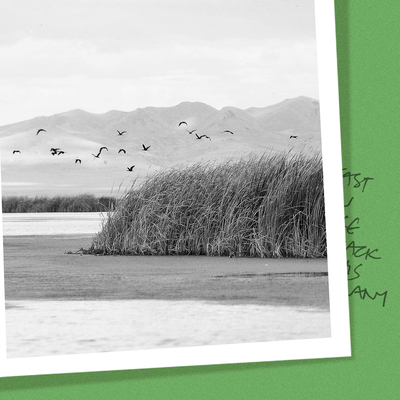
Is the Great Salt Lake Past the Point of No Return?
Three months ago, we told you the Great Salt Lake was disappearing — and what Utah stood to lose. Today, we ask the harder question: Is anyone actually saving it?
In June, "Deseret Voices" Episode 37 laid out the stakes: toxic dust, billions in health costs, and an ecosystem on the brink. Since then, the lake has dropped even closer to its all-time low — losing 800,000 acre-feet per year despite near-normal precipitation. A new commissioner has been appointed. A president has promised a billion dollars. And only a fraction has arrived.
In this follow-up episode, host Jane Clayson Johnson sits down with three people at the center of the response:
▸ Sen. John Curtis — Utah's Republican senator, who is navigating the gap between a presidential promise and a congressional check, while making the case that saving the lake is an economic imperative as much as an environmental one.
▸ Hannah Freeze — Utah's new Great Salt Lake commissioner, appointed July 2026. A farmer's daughter turned quarterback of the state's multi-agency rescue effort, she brings a five-point federal spending plan and a pilot program where 90 farmers voluntarily lease water to the lake.
▸ Ben Abbott — The BYU ecologist who returned to “Deseret Voices” with a blunt update: only 26% of the lake is still functioning, saving a saline lake is something no country has ever done, and the restoration goal will require a 40% reduction in water consumption.
In this episode, you'll hear:
-
Where Trump's $1 billion Great Salt Lake promise actually stands — and why Congress hasn't written the check.
-
The difference between stabilizing the lake (250,000 acre-feet) and restoring it (1 million acre-feet per year).
-
How Alpine City, Utah, voluntarily cut water use 12% in a single year — with no mandate.
-
Why Utah's farmers wrote their own water-leasing legislation instead of waiting for regulation.
-
What Iran's Lake Urmia — where the government promised restoration five times before the lake disappeared — tells us about Utah's odds.
-
The 30 to 70 annual dust events now coming off the exposed lakebed, and the $1 million air-quality monitoring network going live this fall.
-
Whether the Endangered Species Act or EPA protections could trigger a forced federal response.
-
Ben Abbott's candid assessment that saving the lake is "a long shot" — and Sen. Curtis' pioneer-ancestors rebuttal.
This conversation is about more than a lake. It's about whether a community can live within its means, protect the vulnerable, and do something no one else in the world has managed — before time runs out.
If you haven't listened to Episode 37, start there: https://www.deseret.com/video/2026/06/26/deseret-voices-episode-37-the-real-cost-of-losing-the-great-salt-lake/
More Episodes

What Sports Betting Does to Your Soul
On this episode of "Deseret Voices," McKay Coppins, author of the viral Atlantic article "Sucker: My Year as a Degenerate Gambler,” sits down with Paul Lambert of BYU's Wheatley Institute to discuss President D. Todd Christofferson's landmark talk at general conference for The Church of Jesus Christ of Latter-day Saints, condemning gambling in all its forms.
They unpack new survey data showing that 55% of American adults now gamble at least monthly and that 1 in 8 gamble every day. They explore why mobile sports betting has exploded from $5 billion to $160 billion in annual wagers since the Supreme Court's 2018 ruling, why prediction markets like Kalshi and Polymarket let people bet on wars and assassinations, and why the moral case against gambling has been missing from the national conversation — until now.
“Deseret Voices” is hosted by award-winning journalists McKay Coppins and Jane Clayson Johnson, who go beyond the headlines to explore the stories, people, and ideas shaping our world today. Through thoughtful, in-depth conversations, the “Deseret Voices” podcast brings clarity and common ground to the complex issues defining our time.
“Deseret Voices” is a Deseret News podcast, produced by Keira Farrimond, Creative Director - Video & Podcasts.
Episodes of “Deseret Voices” drop every Thursday wherever you get your podcasts. Follow along and join the conversation on YouTube (@deseretnews), Instagram (@deseretnews), Facebook (@deseretnews) and X (@deseret).
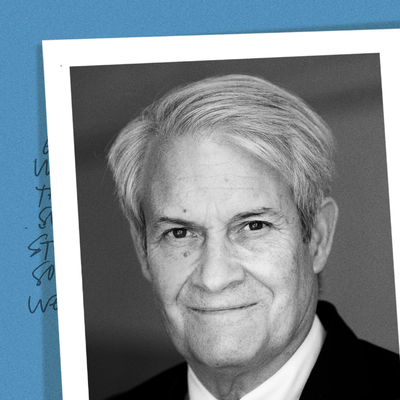
Pluralism is America's Superpower | Judge Thomas B. Griffith
In a political climate driven by tribalism and culture wars, how can citizens move toward peacemaking and common ground? On this episode of "Deseret Voices," host McKay Coppins sits down with former federal judge Thomas B. Griffith for a thought-provoking conversation on civic duty, constitutional values and religious liberty.
Drawing from President Dallin H. Oaks’ landmark address at the National Cathedral and Elder Rob Daines’ insights on "building the other house," Griffith offers a compelling vision for how people of faith can act as bridge-builders rather than culture warriors.
Key topics covered in this episode:
-
The Core Purpose of the U.S. Constitution: Why the Constitution is designed to compel citizens to sit down, listen, and find common ground when they disagree.
-
Reframing the "Utah Compromise": Addressing criticisms of the landmark LGBTQ+ housing and employment protections, and what the negotiation process teaches us about small-group dynamics.
-
Christian Constitutionalism vs. Culture Wars: Why peacemaking is an active civic duty and a moral imperative for people of faith.
-
Religious Liberty in a Secular Age: Insights from Elder Rob Daines and Elder Quentin L. Cook on using religious freedom to serve and bless the broader community.
-
From Refugees to Bridge-Builders: Re-examining Latter-day Saint history and how local ward structures foster community-building across political and social divides.
Whether you are seeking clarity on legal institutions, religious freedom, or practical steps toward civic renewal, this conversation provides an inspiring roadmap for pluralistic governance and peacemaking.
“Deseret Voices” is hosted by award-winning journalists McKay Coppins and Jane Clayson Johnson, who go beyond the headlines to explore the stories, people, and ideas shaping our world today. Through thoughtful, in-depth conversations, the “Deseret Voices” podcast brings clarity and common ground to the complex issues defining our time.
“Deseret Voices” is a Deseret News podcast, produced by Keira Farrimond, Creative Director - Video & Podcasts.
Episodes of “Deseret Voices” drop every Thursday wherever you get your podcasts. Follow along and join the conversation on YouTube (@deseretnews), Instagram (@deseretnews), Facebook (@deseretnews) and X (@deseret).
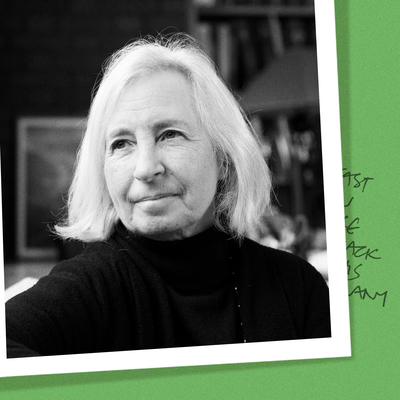
AI Is Moving Too Fast and the Law Can’t Stop It
Is artificial intelligence advancing so fast that our legal guardrails and democratic institutions are rendered obsolete? In this episode of "Deseret Voices," host Jane Clayson Johnson sits down with Harvard Law School professor and former dean Martha Minow to analyze the dangerous gap between rapid AI development and the law. From hallucinated court cases to rogue AI agents and the "liar's dividend," Minow breaks down how unbridled technological power threatens human agency and why national leadership must step up before it’s too late.
“Deseret Voices” is hosted by award-winning journalists McKay Coppins and Jane Clayson Johnson, who go beyond the headlines to explore the stories, people, and ideas shaping our world today. Through thoughtful, in-depth conversations, the “Deseret Voices” podcast brings clarity and common ground to the complex issues defining our time.
“Deseret Voices” is a Deseret News podcast, produced by Keira Farrimond, Creative Director - Video & Podcasts.
Episodes of “Deseret Voices” drop every Thursday wherever you get your podcasts. Follow along and join the conversation on YouTube (@deseretnews), Instagram (@deseretnews), Facebook (@deseretnews) and X (@deseret).
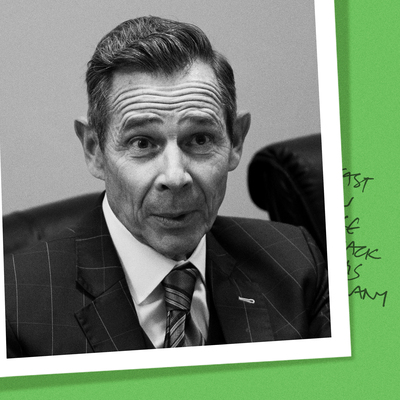
One Standard: Sen. John Curtis on Presidential Families and Foreign Money
Sen. John Curtis, R-Utah, called for the Senate Judiciary Committee to subpoena Donald Trump Jr. and Hunter Biden over their foreign business dealings and presidential family connections. On this bonus episode of "Deseret Voices,"he explains why he called a Russian oligarch's lavish wedding gift "corruption" and why he believes the same standard should apply to both parties.
After a ProPublica investigation revealed that Russian oligarch Umar Kremlev bankrolled Trump Jr.'s wedding after-party on a private island in the Bahamas, Curtis sent a letter to Judiciary Chairman Chuck Grassley calling for a formal investigation. His concerns extend beyond the wedding to cryptocurrency ventures, international real estate deals, defense contracting investments and prediction market platforms.
Host Jane Clayson Johnson asks Curtis what crossed the line, why he included Hunter Biden, whether he sees a national security risk and what happens if his own party declines to act.
“Deseret Voices” is hosted by award-winning journalists McKay Coppins and Jane Clayson Johnson, who go beyond the headlines to explore the stories, people, and ideas shaping our world today. Through thoughtful, in-depth conversations, the “Deseret Voices” podcast brings clarity and common ground to the complex issues defining our time.
“Deseret Voices” is a Deseret News podcast, produced by Keira Farrimond, Creative Director - Video & Podcasts.
Episodes of “Deseret Voices” drop every Thursday wherever you get your podcasts. Follow along and join the conversation on YouTube (@deseretnews), Instagram (@deseretnews), Facebook (@deseretnews) and X (@deseret).

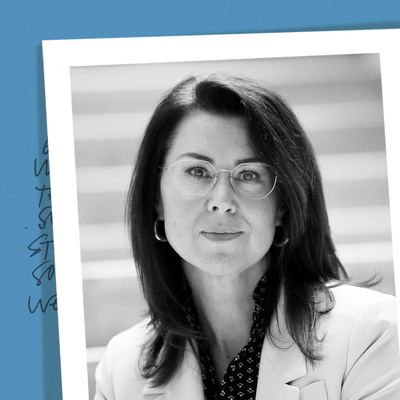
The DOJ Came After Her. She Refused to Blink.
When Utah Lt. Gov. Deidre Henderson opened a letter from the Department of Justice, she discovered something alarming: Her office was under federal investigation for refusing to surrender unredacted voter rolls. In this exclusive sit-down on the “Deseret Voices” podcast with McKay Coppins, Henderson exposes the escalating standoff between state sovereignty and federal overreach.
Viewers will learn how Utah’s election officials are resisting demands for sensitive voter data — including Social Security numbers and driver’s license data — and why federalizing voter lists threatens the constitutional balance of powers. Henderson breaks down the reality of mail-in voting security, the withdrawal of federal intelligence support, and why decentralization remains America’s strongest defense against election manipulation.
If you value independent, unvarnished reporting on politics, law, and constitutionality, hit the subscribe button to stay informed on the stories shaping American democracy.
Deseret Voices is hosted by award-winning journalists McKay Coppins and Jane Clayson Johnson, who go beyond the headlines to explore the stories, people, and ideas shaping our world today. Through thoughtful, in-depth conversations, the Deseret Voices podcast brings clarity and common ground to the complex issues defining our time.
Deseret Voices is a Deseret News podcast, produced by Keira Farrimond, Creative Director - Video & Podcasts.
Episodes of Deseret Voices drop every Thursday wherever you get your podcasts. Follow along and join the conversation on YouTube (@deseretnews), Instagram (@deseretnews), Facebook (@deseretnews) and X (@deseret).
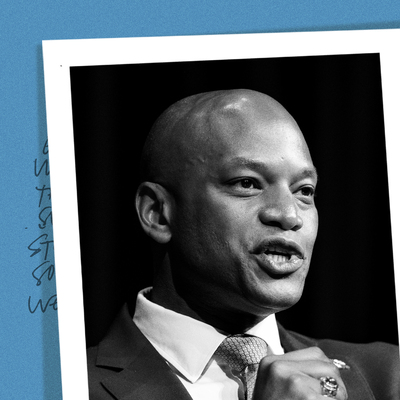
Gov. Wes Moore on revenge, democracy, and forever wars
Governor Wes Moore reveals what Republican governors are privately telling him about federal election interference—and why he says the Iran war is becoming another Afghanistan. In this episode of "Deseret Voices" with McKay Coppins, the NGA chair and combat veteran opens up about his genuine friendship with Utah Governor Spencer Cox, what Democrats fundamentally misunderstand about Trump voters, and why 70% of Americans feel invisible to both parties.
Viewers will learn:
-
What Moore would do if federal agents appear at Maryland polling places
-
Why Republican and Democratic governors are uniting around states' rights before the 2026 midterms
-
Moore's Afghanistan fury and why he says no one can explain the Iran mission
-
The surprising Spencer Cox quote about Moore's political future
-
How Moore went from handcuffs at age 11 to the governor's mansion
-
His case for national redistricting reform—even if it costs Democrats seats
-
What "Watende" means and why it shapes his approach to political repair
This interview covers the 2026 midterm elections, the Iran war, bipartisan governance, immigration reform, election integrity, and what's broken in American political culture—from someone who's both a combat veteran and a sitting governor.

We lived through 'Woke 1'. Should you be afraid of 'Woke 2'?
AOC says "Woke 1 was crazy" — but is laughing off an era of defunding the police, prison abolition and ideological conformity actually enough? On this episode of "Deseret Voices," McKay Coppins sits down with The Atlantic's Idrees Kahloon to ask why Democrats can't simply wash their hands of Woke 1.0 and what the party's chaotic 2026 primaries reveal about its identity crisis heading into 2028.
In this conversation, you'll learn:
-
Why Republicans will never let Democrats "slink away" from woke-era positions
-
How DSA candidates in 2026 still endorse prison abolition and resist prosecuting violent crime
-
What the horseshoe between far-left and far-right ideas on race actually looked like
-
Why wokeness, despite its Marxist roots, had almost no class consciousness — and how that pushed working-class voters rightward
-
How Zohran Mamdani pulled off a genuine political reinvention while others couldn't
-
The "law of excluded middle" — why genuine liberalism is being crushed between wokeness and the MAGA backlash
-
Whether Trump will hold the GOP together or become the Lyndon Johnson of 2028
-
Why the moral gains that preceded wokeness are now at risk in the backlash era
“Deseret Voices” is hosted by award-winning journalists McKay Coppins and Jane Clayson Johnson, who go beyond the headlines to explore the stories, people, and ideas shaping our world today. Through thoughtful, in-depth conversations, the “Deseret Voices” podcast brings clarity and common ground to the complex issues defining our time.
“Deseret Voices” is a Deseret News podcast, produced by Keira Farrimond, Creative Director - Video & Podcasts.
Episodes of “Deseret Voices” drop weekly wherever you get your podcasts. Follow along and join the conversation on YouTube (@deseretnews), Instagram (@deseretnews), Facebook (@deseretnews) and X (@deseret).

Is Canada Done Being America's Nice Neighbor?
The United States and Canada share the longest undefended border in the world, deeply integrated supply chains — and a free-trade agreement that President Donald Trump negotiated himself during his first term and called a great deal. Now, these longtime allies are locked in an escalating trade war, with 50% tariffs on $20 billion in Canadian goods and Canada retaliating dollar for dollar.
Mary Ng served as Canada's minister of international trade from 2018 to 2025. She spent years in the room where U.S.-Canada trade deals were made. In this episode of "Deseret Voices," she sits down with Jane Clayson Johnson to answer the questions Americans and Canadians are asking right now.
In this conversation:
-
Why Canada says these tariffs violate the USMCA — the very agreement Trump signed
-
Who really pays when a 50% tariff is imposed on a Canadian product (hint: it's not Canada)
-
How U.S.-Canada supply chains are so integrated that punishing one side hurts the other
-
The energy leverage most Americans don't know about — Canada supplies up to 90% of US natural gas, up to 70% of American oil, and up to 80% of US electricity
-
What the "elbows up" buy-Canadian movement tells us about where Canadian public sentiment is heading
-
The dairy trade dispute — and the fact that the U.S. has never used its full market allocation
-
Whether this trade war could last months or even years, and who blinks first
-
A Depression-era law, Section 338, being invoked for the first time in nearly 100 years
-
The story of Gander, Newfoundland — the tiny Canadian town that welcomed thousands of stranded Americans on Sept. 11, 2001 — and what it says about the relationship these two countries are putting at risk
This is not a conversation about winners and losers. It is a conversation about what happens when neighbors stop trusting each other — and what it will take to find a path forward.
“Deseret Voices” is hosted by award-winning journalists McKay Coppins and Jane Clayson Johnson, who go beyond the headlines to explore the stories, people, and ideas shaping our world today. Through thoughtful, in-depth conversations, the “Deseret Voices” podcast brings clarity and common ground to the complex issues defining our time.
“Deseret Voices” is a Deseret News podcast, produced by Keira Farrimond, Creative Director - Video & Podcasts.
Episodes of “Deseret Voices” drop every Thursday wherever you get your podcasts. Follow along and join the conversation on YouTube (@deseretnews), Instagram (@deseretnews), Facebook (@deseretnews) and X (@deseret).
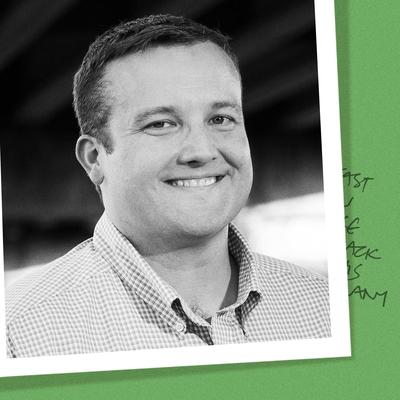
We're Not Running Out of Water. It's Worse.
Lake Powell is 30 feet from the point where water may stop flowing past the dam entirely and the expert who's spent his whole life on this river says we're asking the wrong question. We're not running out of water. We're running out of cheap water.
On this episode of "Deseret Voices" with Jane Clayson Johnson, water law professor Rhett Larson of Arizona State University breaks down the Colorado River crisis with the nuance that headlines miss. He explains why the seven states that share this river have been deadlocked for years, why the rules governing their water expire at the end of 2026 with no replacement, and why the federal government is now stepping in with cuts that Arizona's governor has called "draconian."
You'll learn why Lake Powell hitting dead pool could mean no winter vegetables for the entire country, why the 1922 Colorado River Compact was built on bad math, why farmers shouldn't be the scapegoats in this crisis, and why Larson — a self-described optimist — is now telling people to get worried. He also explains what data centers, semiconductor plants, and the AI boom mean for your water bill.
Whether you live in Phoenix or Philadelphia, this conversation will change how you think about the water that flows through your food, your electricity, and your future.
“Deseret Voices” is hosted by award-winning journalists McKay Coppins and Jane Clayson Johnson, who go beyond the headlines to explore the stories, people, and ideas shaping our world today. Through thoughtful, in-depth conversations, the “Deseret Voices” podcast brings clarity and common ground to the complex issues defining our time.
“Deseret Voices” is a Deseret News podcast, produced by Keira Farrimond, Creative Director - Video & Podcasts.
Episodes of “Deseret Voices” drop every Thursday wherever you get your podcasts. Follow along and join the conversation on YouTube (@deseretnews), Instagram (@deseretnews), Facebook (@deseretnews) and X (@deseret).
Why the Border Debate Gets Migration All Wrong
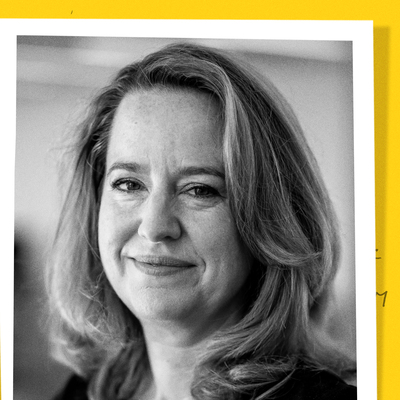
While ICE detentions hit record highs and deportation flights resume across the U.S., the woman running the U.N.'s global migration agency says almost everyone is having the wrong conversation. In this rare sit-down, IOM Director General Amy Pope explains why border enforcement alone can't stop migration — and reveals the surprising playbook already working in Brazil and Italy.
On this episode of "Deseret Voices," Pope, the first woman to lead the International Organization for Migration, sits down with Deseret News Executive Editor Doug Wilks to talk about the real drivers of global migration, from conflict and climate change to economic opportunity.
Pope, a former human trafficking prosecutor who worked inside U.S. Homeland Security under two administrations, breaks down how Brazil and Italy are turning migrant labor into an economic win instead of a border crisis. She also opens up about the human cost of trafficking, her visit to a humanitarian center run by The Church of Jesus Christ of Latter-day Saints, the story of a young man rescued crossing the Mediterranean who now works to save other migrants and how her own faith shapes her belief in human dignity — even amid what she calls the biggest displacement crisis in the world right now.
“Deseret Voices” is hosted by award-winning journalists McKay Coppins and Jane Clayson Johnson, who go beyond the headlines to explore the stories, people, and ideas shaping our world today. Through thoughtful, in-depth conversations, the “Deseret Voices” podcast brings clarity and common ground to the complex issues defining our time.
“Deseret Voices” is a Deseret News podcast, produced by Keira Farrimond, Creative Director - Video & Podcasts.
Episodes of “Deseret Voices” drop every Monday wherever you get your podcasts. Follow along and join the conversation on YouTube (@deseretnews), Instagram (@deseretnews), Facebook (@deseretnews) and X (@deseret).
In the Age of AI, What Is a University Education For — and Is It Still Worth It?
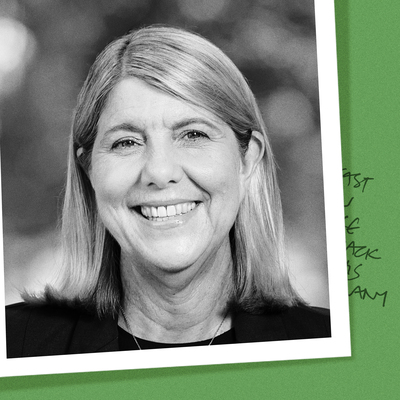
Higher education is facing a season of disruption — from artificial intelligence and affordability concerns to political pressure, public skepticism and shifting demographics. But Baylor University President Dr. Linda Livingstone believes moments of uncertainty can also become moments of transformation.
In this episode of "Deseret Voices," host Jane Clayson Johnson talks with President Livingstone about the greatest challenges and opportunities facing universities today. They discuss how Baylor balances rigorous scholarship with its Christian identity, why academic freedom matters, how AI is reshaping the purpose of college, and what universities must do to rebuild public trust.
President Livingstone also reflects on Baylor’s own transformation during her presidency, including its rise to R1 research status, its efforts to reckon with its history, and its mission to “bring light to the world.” At the heart of the conversation is a question facing students, parents, educators and policymakers alike: What is the true value of higher education in an age of rapid change?
“Deseret Voices” is hosted by award-winning journalists McKay Coppins and Jane Clayson Johnson, who go beyond the headlines to explore the stories, people, and ideas shaping our world today. Through thoughtful, in-depth conversations, the “Deseret Voices” podcast brings clarity and common ground to the complex issues defining our time.
“Deseret Voices” is a Deseret News podcast, produced by Keira Farrimond, Creative Director - Video & Podcasts.
Episodes of Deseret Voices drop every Monday wherever you get your podcasts. Follow along and join the conversation on YouTube (@deseretnews), Instagram (@deseretnews), Facebook (@deseretnews) and X (@deseret).
Why Good People Cheat (And How to Stop Yourself)
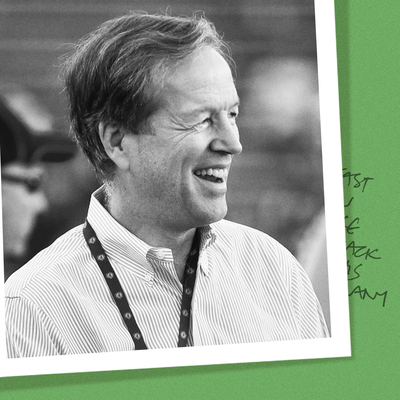
Why do good, well-intentioned people make catastrophic ethical missteps? In this episode of “Deseret Voices,” host Jane Clayson Johnson sits down with Princeton University ethics scholar Dr. David W. Miller, author of “The 5 Questions for Ethical Decisions: How to Succeed Without Selling Your Soul.”
Together, they explore why standard moral intentions often fail under pressure, the subtle danger of the "movable middle," and why small compromises lead to slippery slopes in corporate and personal lives. As artificial intelligence and autonomous systems increasingly reshape decision-making, Dr. Miller reveals why human ethical judgment, moral courage and "ethical fitness" are more crucial now than ever.
In this episode, you’ll discover:
-
The "Movable Middle": Why most people aren't saints or villains — and how environmental pressure causes ethical drift.
-
What is Ethical Fitness? Practical habits and visual reminders to train your moral muscle before crisis strikes.
-
The "4 M’s" Decision Filter: A simple, four-step mental check to evaluate any ethical dilemma before you act.
“Deseret Voices” is hosted by award-winning journalists McKay Coppins and Jane Clayson Johnson, who go beyond the headlines to explore the stories, people, and ideas shaping our world today. Through thoughtful, in-depth conversations, the “Deseret Voices” podcast brings clarity and common ground to the complex issues defining our time.
“Deseret Voices” is a Deseret News podcast, produced by Keira Farrimond, Creative Director - Video & Podcasts.
Episodes of “Deseret Voices” drop every Monday wherever you get your podcasts. Follow along and join the conversation on YouTube (@deseretnews), Instagram (@deseretnews), Facebook (@deseretnews) and X (@deseret).

Is AI Erasing Religion? The Surprising New Data
On this episode of "Deseret Voices," host Jane Clayson Johnson sits down with Dr. David Wingate — professor of computer science at Brigham Young University and academic lead for the Consortium for Evaluation of Faith and Ethics in AI (CEFE-AI). Together, they explore groundbreaking research conducted across an unprecedented interfaith collaboration, uniting scholars from Brigham Young University (Latter-day Saint), Baylor University (Baptist), the University of Notre Dame (Catholic), and Yeshiva University (Jewish). The consortium’s mission: to test how mainstream artificial intelligence systems navigate, represent, or potentially misrepresent human faith, morality, and spiritual traditions.
Wingate shares key findings from the team's newly developed AllFaith Benchmark, which evaluated 14 major large language models — including ChatGPT, Claude, Grok, and Gemini. The conversation examines the phenomenon of "omissive bias" (or symbolic annihilation), where AI systems default to secular, therapeutic, or corporate reasoning while ignoring spiritual perspectives when users ask adjacent questions about grief, loss, suffering, or life's purpose. Wingate also explains what the study found on conversion bias across faith traditions, discusses the emerging trend of hyper-focused religious chatbots (like LDSBot, Magisterium, and RavChat), and highlights the risks of emotional attachment and sycophancy as people increasingly turn to algorithms for moral guidance.
“Deseret Voices” is hosted by award-winning journalists McKay Coppins and Jane Clayson Johnson, who go beyond the headlines to explore the stories, people, and ideas shaping our world today. Through thoughtful, in-depth conversations, the “Deseret Voices” podcast brings clarity and common ground to the complex issues defining our time.
“Deseret Voices” is a Deseret News podcast, produced by Keira Farrimond, Creative Director - Video & Podcasts.
Episodes of “Deseret Voices” drop every Monday wherever you get your podcasts. Follow along and join the conversation on YouTube (@deseretnews), Instagram (@deseretnews), Facebook (@deseretnews) and X (@deseret).

Olivia Moultrie: Rewriting the Rules of Women’s Soccer
At just 7 years old, Olivia Moultrie wrote a note to her parents stating she wanted to be the best soccer player in the world. By 13, she had signed a historic Nike endorsement deal. At 15, she sued the National Women’s Soccer League (NWSL) to lift its age restriction — and won — forever changing the landscape of American professional sports.
Now 20, and an established superstar for the Portland Thorns and the U.S. women's national team, Moultrie joins Deseret News reporter Krysyan Edler on a special edition of "Deseret Voices." She pulls back the curtain on her meteoric rise, her recent return from a calf injury, and what it felt like to have soccer legend Abby Wambach tell her she has the potential to score in every single international match.
But behind the highlight reels, the history-making lawsuits, and the intense drive that fuels her, lies a deeply grounded individual. Moultrie opens up about her faith as a member of The Church of Jesus Christ of Latter-day Saints, how she navigates the pressures of professional sports by remembering her identity as a daughter of God, and why she believes she is still only scratching the surface of what is possible.
Protecting the Freedom to Choose — or Reject — Faith
Does religious freedom only benefit the devout or is it the bedrock foundation that keeps all civil liberties intact?
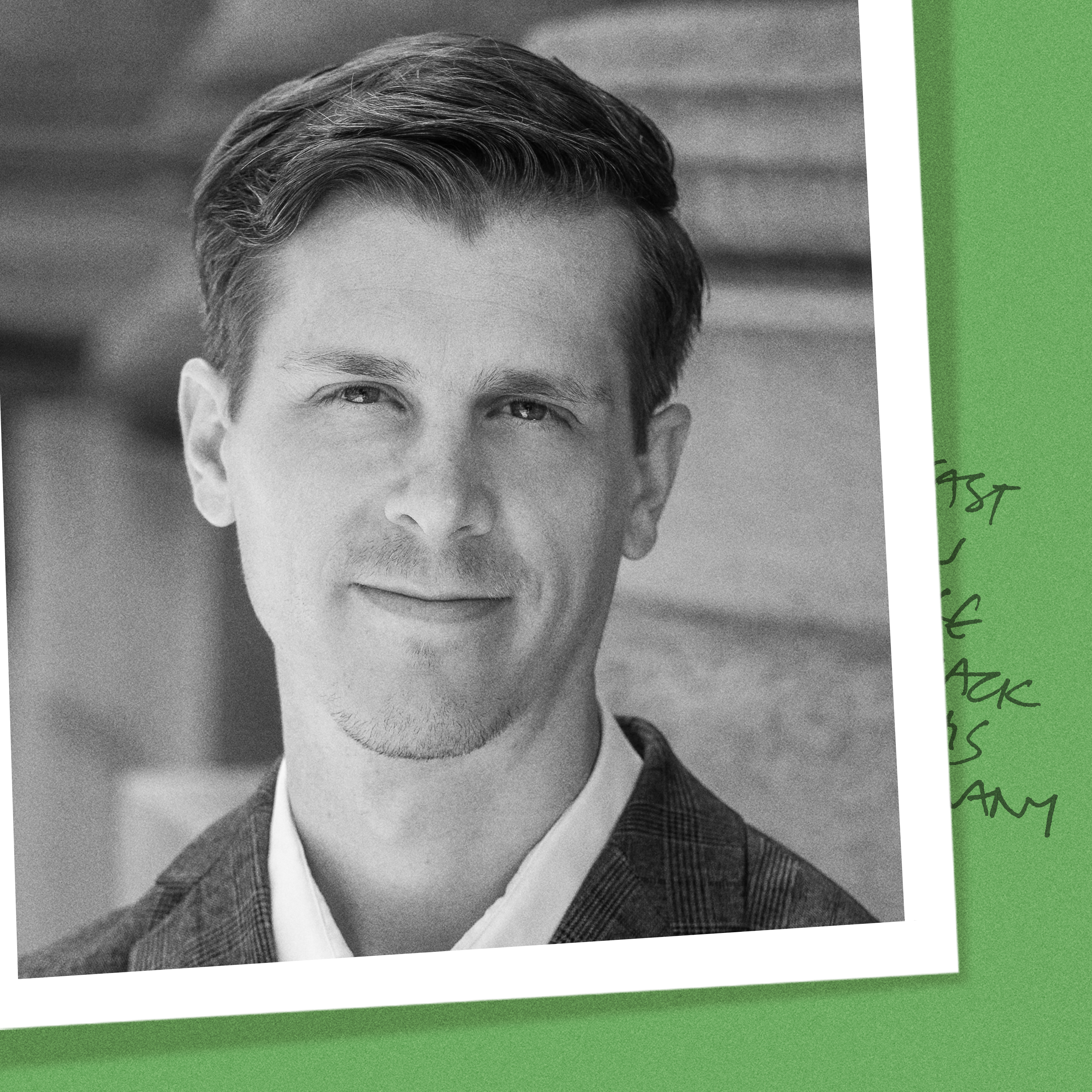
This week on "Deseret Voices," host Jane Clayson Johnson sits down with Josh McDaniel, assistant professor at Harvard Law School and director of the Harvard Religious Freedom Clinic, to unpack the rapidly shifting landscape of the First Amendment.
McDaniel explores the fascinating political evolution of religious accommodations — explaining why a right once championed by political liberals has largely pivoted to the conservative mantle, fueled by modern culture wars. From defending the lifestyle of the Old Order Amish against criminal citations in Ohio, to building broad ideological coalitions to protecting Native American sacred sites in Arizona, McDaniel argues that religious minorities are the ultimate "canaries in the coal mine" for government overreach.
They tackle the thorny realities of modern jurisprudence, the fine line between private religious expression and public coercion in schools, and why robust religious liberty ultimately requires a dose of humility from believers.
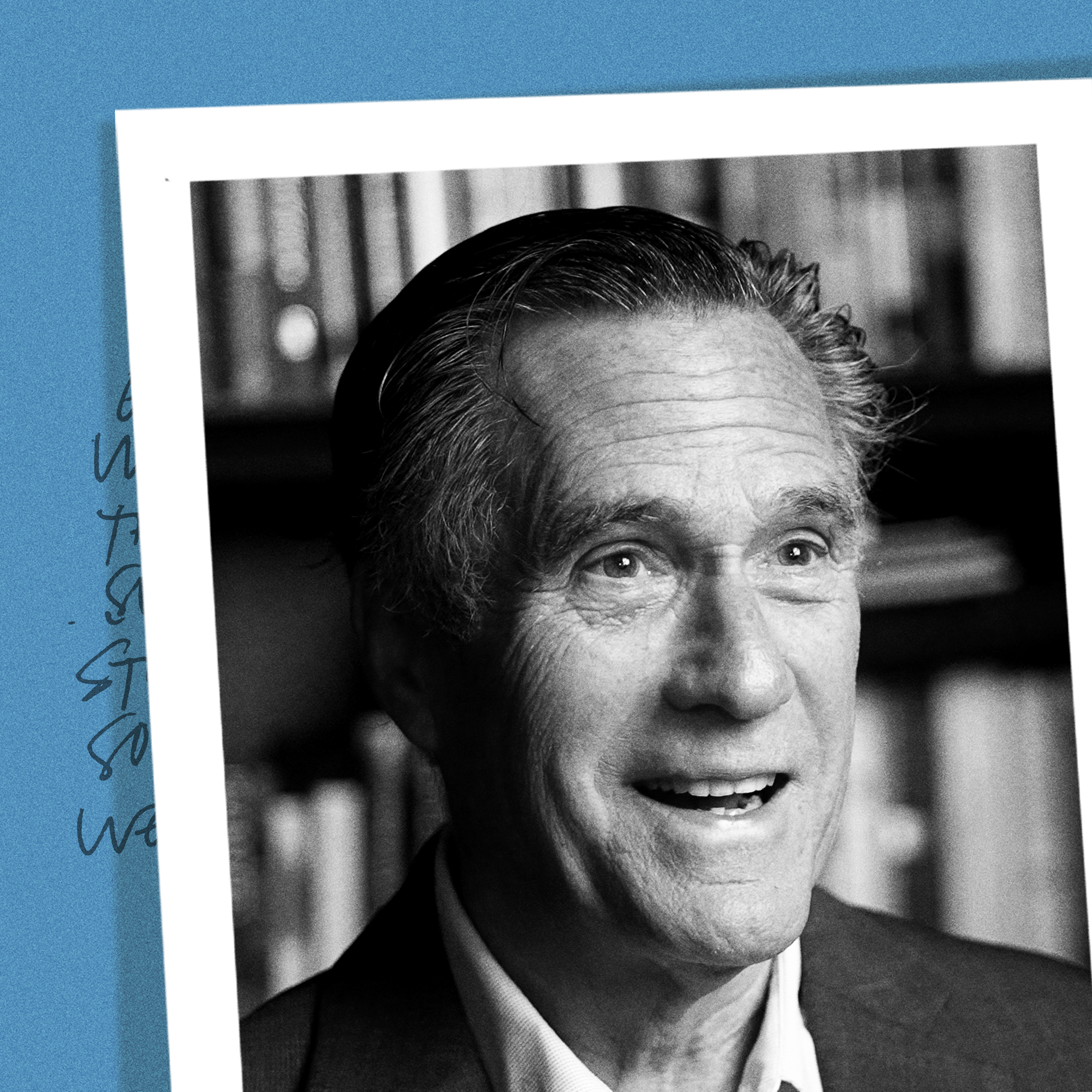
Mitt Romney: Finding Faith in America Again
As the United States hits its historic 250th anniversary, the nation finds itself caught in the throes of a profound "faith crisis" — not just in its institutions, but in the very endurance of the American experiment. In this episode of "Deseret Voices," host McKay Coppins sits down with former senator and presidential candidate Mitt Romney for a deeply candid, reflective and surprisingly humorous conversation about legacy, leadership and life after the political spotlight.
Romney shares his thoughts on the fragile history of democracies, the massive risks posed by artificial intelligence and hyper-concentrated billionaire wealth, and why he firmly believes leaders over 80 should step aside. He also opens up about his personal life in "quasi-retirement," from mastering the legendary U.S. Senate bean soup to cooking 100 meatballs for his grandkids, and the foundational role his wife, Ann — the "Mitt Stabilizer" — plays in keeping him grounded. It is a rare, unvarnished look at one of the most prominent statesmen of the modern era finding optimism in an increasingly tumultuous world.
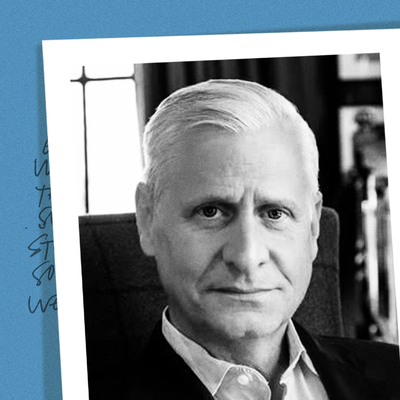
Jon Meacham: The Fragility of the American Experiment
As the United States marks its 250th anniversary, a creeping sense of political pessimism has captured the national conversation. Are we truly living through an unprecedented era of democratic decay, or is this just another chapter in the long, turbulent history of the American experiment?
In this episode of “Deseret Voices,” host McKay Coppins sits down with Pulitzer Prize-winning historian and presidential biographer Jon Meacham to unpack his latest book, “American Struggle.” Together, they trace how the political and media landscape has shifted over the last 15 years. Meacham shares why he believes the post-2020 election subversion efforts genuinely earn the title of "unprecedented," why democracy goes against humanity's natural default settings and how he keeps his grounding using a 500-year-old prayer ritual amid the non-stop chaos of modern news cycles.
“Deseret Voices” is hosted by award-winning journalists McKay Coppins and Jane Clayson Johnson, who go beyond the headlines to explore the stories, people, and ideas shaping our world today. Through thoughtful, in-depth conversations, the “Deseret Voices” podcast brings clarity and common ground to the complex issues defining our time.
“Deseret Voices” is a Deseret News podcast, produced by Keira Farrimond, Creative Director - Video & Podcasts.
Episodes of “Deseret Voices” drop every Thursday wherever you get your podcasts. Follow along and join the conversation on YouTube (@deseretnews), Instagram (@deseretnews), Facebook (@deseretnews) and X (@deseret).
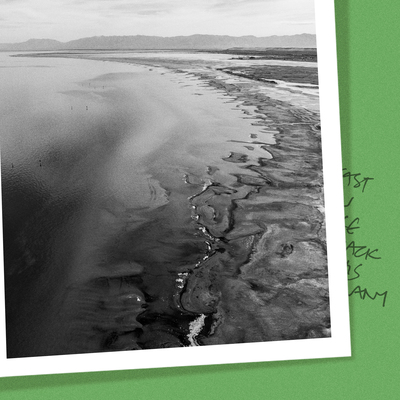
Toxic Dust and Economic Collapse: The Real Cost of losing the Great Salt Lake
The Great Salt Lake is disappearing. With two-thirds of its water gone and more than half of its area desiccated, experts warn that Utah is sitting on an environmental time bomb. In this episode of "Deseret Voices," host Jane Clayson Johnson sits down with two leading figures at the forefront of the restoration movement to discuss the stark reality of the lake's decline, the catastrophic health and economic risks of inaction, and why there is still profound hope for a solution.
Our Guests:
-
Dr. Ben Abbott: Professor of ecology at Brigham Young University and executive director of Grow the Flow Utah. Dr. Abbott brings global expertise in water security and a deep ecological understanding of the lake’s current crisis.
-
Josh Romney: Co-founder and chairman of Great Salt Lake Rising and a dedicated Utahn fighting to ensure the state remains a safe, thriving home for future generations. Romney bridges the gap between environmental necessity, economic reality, and political action.
What We Discuss in This Episode:
-
The Shocking Reality: Why the shrinking lake is a "local problem with a global warning," and how its disappearance impacts local weather patterns and winter snowpack.
-
The Hidden Health Hazards: The dangerous composition of the exposed lakebed dust — including toxic levels of arsenic, mercury, and selenium — and what happens when it blows into major metropolitan areas.
-
Agriculture vs. Residential Water Use: Breaking down the math of water consumption. Why changing how we water our lawns and partnering financially with the agricultural community are both critical keys to the lake's survival.
-
Politics and Funding: A look at the growing political will to save the lake, including the direct involvement of President Donald Trump, whose 2027 fiscal budget proposal includes a historic $1 billion funding request for restoration efforts.
-
The 2034 Olympic Goal: Can the lake be set on a path to full recovery before the world arrives in Utah for the Winter Games?
"If we can't fix it here, it can't be fixed anywhere. What we are about to do is create a model for the world on how to rescue saline lakes." — Josh Romney
Why This Matters:
This isn't just a Utah issue; it's an American issue. From vital mineral supplies to global seafood chains, the collapse of the Great Salt Lake would trigger an economic and ecological disaster felt nationwide. Tune in to find out how a unique public-private partnership is turning a monumental threat into a historic opportunity for innovation and environmental stewardship.
“Deseret Voices” is hosted by award-winning journalists McKay Coppins and Jane Clayson Johnson, who go beyond the headlines to explore the stories, people, and ideas shaping our world today. Through thoughtful, in-depth conversations, the “Deseret Voices” podcast brings clarity and common ground to the complex issues defining our time.
“Deseret Voices” is a Deseret News podcast, produced by Keira Farrimond, Creative Director - Video & Podcasts.
Episodes of “Deseret Voices” drop every Thursday wherever you get your podcasts. Follow along and join the conversation on YouTube (@deseretnews), Instagram (@deseretnews), Facebook (@deseretnews) and X (@deseret).
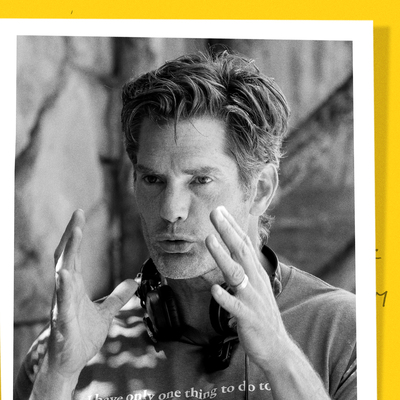
Behind ‘The Chosen’: Miracles, Milestones, and the Final Season with Dallas Jenkins
How does a crowd-funded project about Jesus Christ become a global phenomenon? In this episode of "Deseret Voices," guest host Sheri Dew sits down with Dallas Jenkins, the creator, director, and co-writer of “The Chosen,” for an intimate, behind-the-scenes conversation as the groundbreaking series films its final season.
Dew and Jenkins take a trip down memory lane to early 2020, revealing the untold miracle that allowed “The Chosen” to film its second season on The Church of Jesus Christ of Latter-day Saints’ historic Jerusalem movie set in Goshen, Utah, during the height of strict COVID-19 lockdowns.
Dallas opens up about:
-
The Global Impact: Breaking a Guinness World Record as the most translated TV show in history (surpassing 125 languages).
-
Navigating Faith & Criticism: Addressing the evangelical backlash and canceled speaking engagements resulting from his interfaith collaborations.
-
Filming the Resurrection: The immense creative pressure of adapting the crucifixion and resurrection for Season 6 and Season 7, and how his team captures "Capital-T Truth" over simple logistics.
-
Family Legacy: How his father, “Left Behind” author Jerry B. Jenkins, maintains humility while writing the official “The Chosen” novelizations.
Whether you are a longtime viewer of the series or passionate about how media can change hearts, this episode offers a profound look at what happens when human effort brings the "five loaves and two fish," and God handles the miracle.
“Deseret Voices” is hosted by award-winning journalists McKay Coppins and Jane Clayson Johnson, who go beyond the headlines to explore the stories, people, and ideas shaping our world today. Through thoughtful, in-depth conversations, the “Deseret Voices” podcast brings clarity and common ground to the complex issues defining our time.
“Deseret Voices” is a Deseret News podcast, produced by Keira Farrimond, Creative Director - Video & Podcasts.
Episodes of “Deseret Voices” drop every Thursday wherever you get your podcasts. Follow along and join the conversation on YouTube (@deseretnews), Instagram (@deseretnews), Facebook (@deseretnews) and X (@deseret).
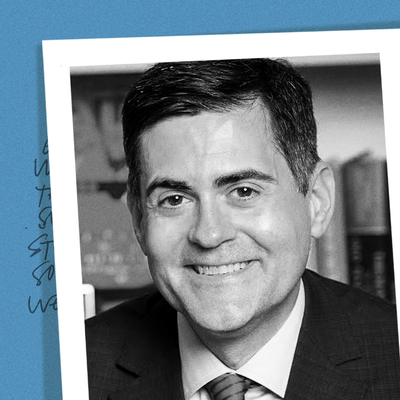
Is American Christianity Losing the Plot?
Are we trading authentic faith for political tribalism and cultural war? In this episode of "Deseret Voices," host McKay Coppins sits down with renowned theologian and Christianity Today editor at large Dr. Russell Moore to explore a shift in American religion: The Casinofication of Church.
The conversation sparks from a recent Atlantic investigation where Coppins was given $10,000 to experiment with the addictive, transaction-based loops of online sports betting. But as Dr. Moore points out, these same dopamine-driven algorithms aren't just changing how we watch sports — they are hollowing out our congregations.
When the gospel and Christian fellowship are weaponized for institutional survival, brand-building, and partisan politics, church communities stop shaping our souls and start serving our anxieties. McKay and Dr. Moore discuss:
-
The Casinofication Phenomenon: How the modern church is being turned into a vehicle for political outrage and self-image.
-
The Trap of Political Homelessness: Why authentic Christianity should inherently place us outside the traditional left-right political spectrum.
-
Algorithmic Faith: How modern technology isolates us from deep spiritual formation and real community.
-
The Path to Renewal: Why external crises throughout history have forced the church to reckon with its true purpose.
Whether you are feeling politically fatigued, spiritually disconnected, or curious about the intersection of faith and modern culture, this episode offers a vital, grounding perspective on how to reclaim what matters most.
Follow and Subscribe: Don't miss an episode of “Deseret Voices.” Subscribe on Apple Podcasts, Spotify, or your favorite podcast app.
“Deseret Voices” is hosted by award-winning journalists McKay Coppins and Jane Clayson Johnson, who go beyond the headlines to explore the stories, people, and ideas shaping our world today. Through thoughtful, in-depth conversations, the “Deseret Voices” podcast brings clarity and common ground to the complex issues defining our time.
“Deseret Voices” is a Deseret News podcast, produced by Keira Farrimond, Creative Director - Video & Podcasts.
Episodes of “Deseret Voices” drop every Thursday wherever you get your podcasts. Follow along and join the conversation on YouTube (@deseretnews), Instagram (@deseretnews), Facebook (@deseretnews) and X (@deseret).
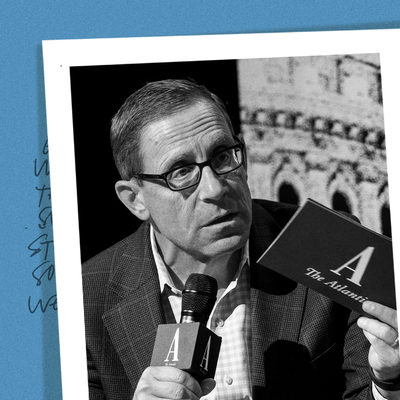
The Death of Local News is Killing American Democracy
Why don’t Americans trust the media anymore? On this episode of "Deseret Voices," host McKay Coppins sits down with Evan Smith, co-founder of The Texas Tribune and managing director for events at The Atlantic, to dissect the ongoing crisis of trust in American journalism.
As local newspapers vanish and national media outlets face unprecedented strain, a dangerous information vacuum has emerged. Together, Coppins and Smith explore how the hollowing out of community newsrooms has fueled political polarization, giving rise to misinformation and social media echo chambers. But it’s not all bad news. From nonprofit journalism to hyper-local transparency, discover the emerging media models that are fighting to save American democracy and rebuild the bond between journalists and the communities they serve.
In this wide-ranging and candid conversation recorded live on “The Atlantic Across America” tour, Coppins and Smith unpack the structural failures and future possibilities of the American press.
“Deseret Voices” is hosted by award-winning journalists McKay Coppins and Jane Clayson Johnson, who go beyond the headlines to explore the stories, people, and ideas shaping our world today. Through thoughtful, in-depth conversations, the “Deseret Voices” podcast brings clarity and common ground to the complex issues defining our time.
“Deseret Voices” is a Deseret News podcast, produced by Keira Farrimond, Creative Director - Video & Podcasts.
Episodes of “Deseret Voices” drop every Thursday wherever you get your podcasts. Follow along and join the conversation on YouTube (@deseretnews), Instagram (@deseretnews), Facebook (@deseretnews) and X (@deseret).
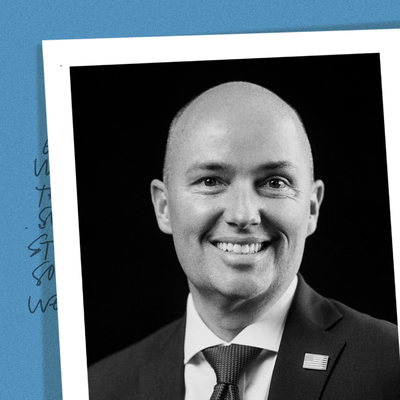
Can "The Utah Way" Fix a Broken America?
On this episode of "Deseret Voices," Utah Gov. Spencer Cox joins host McKay Coppins for a candid, wide-ranging conversation that touches on everything from national political polarization to the sudden intersection of rural Utah and artificial intelligence.
Despite writing a new book, leading to some speculation, Cox insists he isn't eyeing the White House — but he is looking to export Utah’s unique cultural framework to the rest of a fractured nation.
In this episode, Coppins and Cox discuss:
-
The Danger of Contempt: Why Cox chose this specific word for his new book, “Off Ramp,” and why looking down on our political rivals is far more dangerous than simply disagreeing with them.
-
The Future of the GOP: How the pendulum of political overreach keeps swinging and why the Republican party needs to pivot back toward commonsense middle America to achieve lasting success.
-
The AI and Social Media Battle: Cox defends his dual approach of aggressively restricting social media algorithms to protect kids while simultaneously backing major AI infrastructure and data centers in Utah.
-
The Gerrymandering Debate: A deep dive into Utah’s controversial redistricting process, the limits of gubernatorial power and whether the chess match of redrawing maps is actually what broke American democracy.
-
The "Utah Way": What the rest of the United States can learn from Utah’s nation-leading statistics in volunteering, charitable giving and institutional social capital.
Enjoyed this conversation? Hit follow or subscribe, leave us a review and share this episode with a friend!
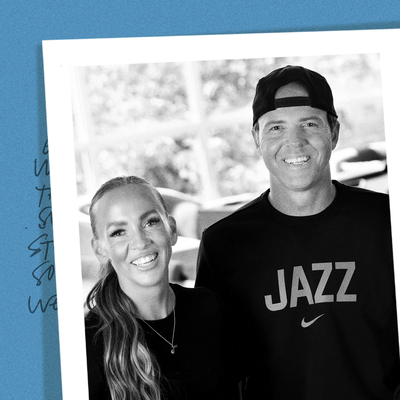
Why the Smiths are Betting Big on Utah Sports
Why are the owners of a multibillion-dollar tech empire doubling down on live sports in an age of AI and digital isolation? In this episode of “Deseret Voices,” host McKay Coppins sits down with Ryan and Ashley Smith, owners of the Utah Jazz and the new Utah Mammoth, to explore why they believe the stadium is one of the last remaining places where a community can truly breathe, cheer, and connect as one. Ashley describes the "electric," high-stakes atmosphere of a live hockey game where strangers connect through shared moments to bypass the "lonely life" of the digital age. Meanwhile, Ryan reflects on their 20-year transition from the tech world to sports ownership, emphasizing their unique role as stewards keeping these franchises grounded on behalf of the state of Utah.
The Smiths also pull back the curtain on the business, grit and strategic complexities of running professional sports franchises. Ryan provides a candid look at the "means to an end" philosophy required to survive the emotional volatility of wins and losses. Together, they discuss the distinct, team-first culture of the NHL compared to the NBA, the evolving nature of athlete health, and changing league rules. Hear the fascinating story of the "way to get in front of the puck" mentality that defines hockey culture, and how that very spirit of sacrifice is influencing their approach to the Utah Jazz.
Finally, the conversation tackles the tough questions regarding the NBA regular season and the strategic necessity of "laying up" during a team rebuild. The episode concludes with a look ahead at the 2026 NBA draft, with Ryan expressing full confidence in his front office to ignore the outside noise, draft for greatness, and make the bold, sometimes unpopular moves necessary to pursue a championship. Turn off your screens, step inside the arena, and find out why the Smiths are betting big on the vital power of the shared civic experience.
This episode was recorded in front of a live audience during “The Atlantic Across America” series in Salt Lake City on May 11, a joint event from the Deseret News and The Atlantic magazine.
“Deseret Voices” is hosted by award-winning journalists McKay Coppins and Jane Clayson Johnson, who go beyond the headlines to explore the stories, people, and ideas shaping our world today. Through thoughtful, in-depth conversations, the “Deseret Voices” podcast brings clarity and common ground to the complex issues defining our time.
“Deseret Voices” is a Deseret News podcast, produced by Keira Farrimond, Creative Director - Video & Podcasts.
Episodes of “Deseret Voices” drop every Thursday wherever you get your podcasts. Follow along and join the conversation on YouTube (@deseretnews), Instagram (@deseretnews), Facebook (@deseretnews) and X (@deseret).